Uploads by Brb
This special page shows all uploaded files.

| Date | Name | Thumbnail | Size | Description | Versions |
|---|---|---|---|---|---|
| 13:22, 28 March 2026 | AppleSalad.png (file) |  |
1.61 MB | 1 | |
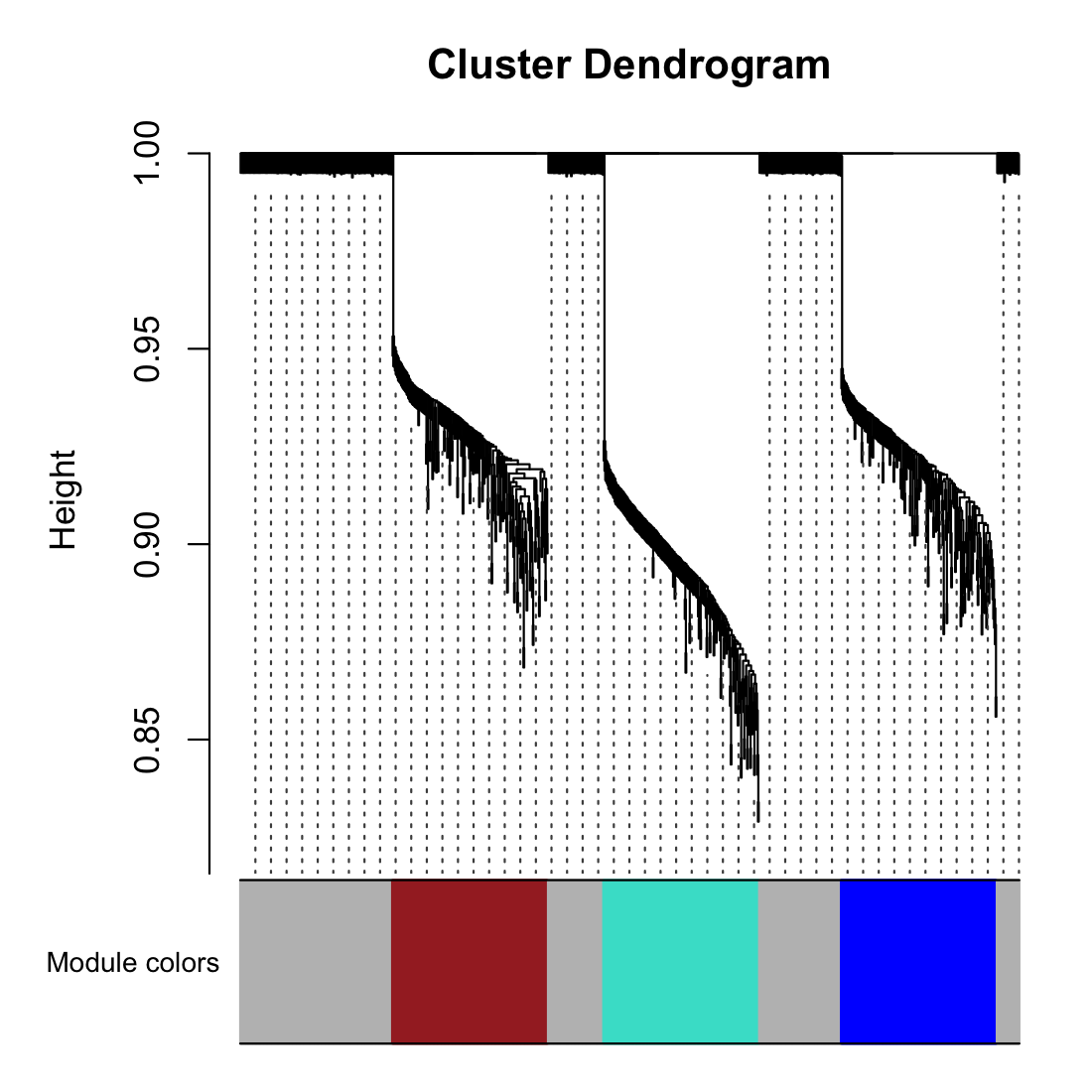
| 20:32, 28 February 2026 | Wgcna 3clusters dend.png (file) |  |
42 KB | add true module | 2 |
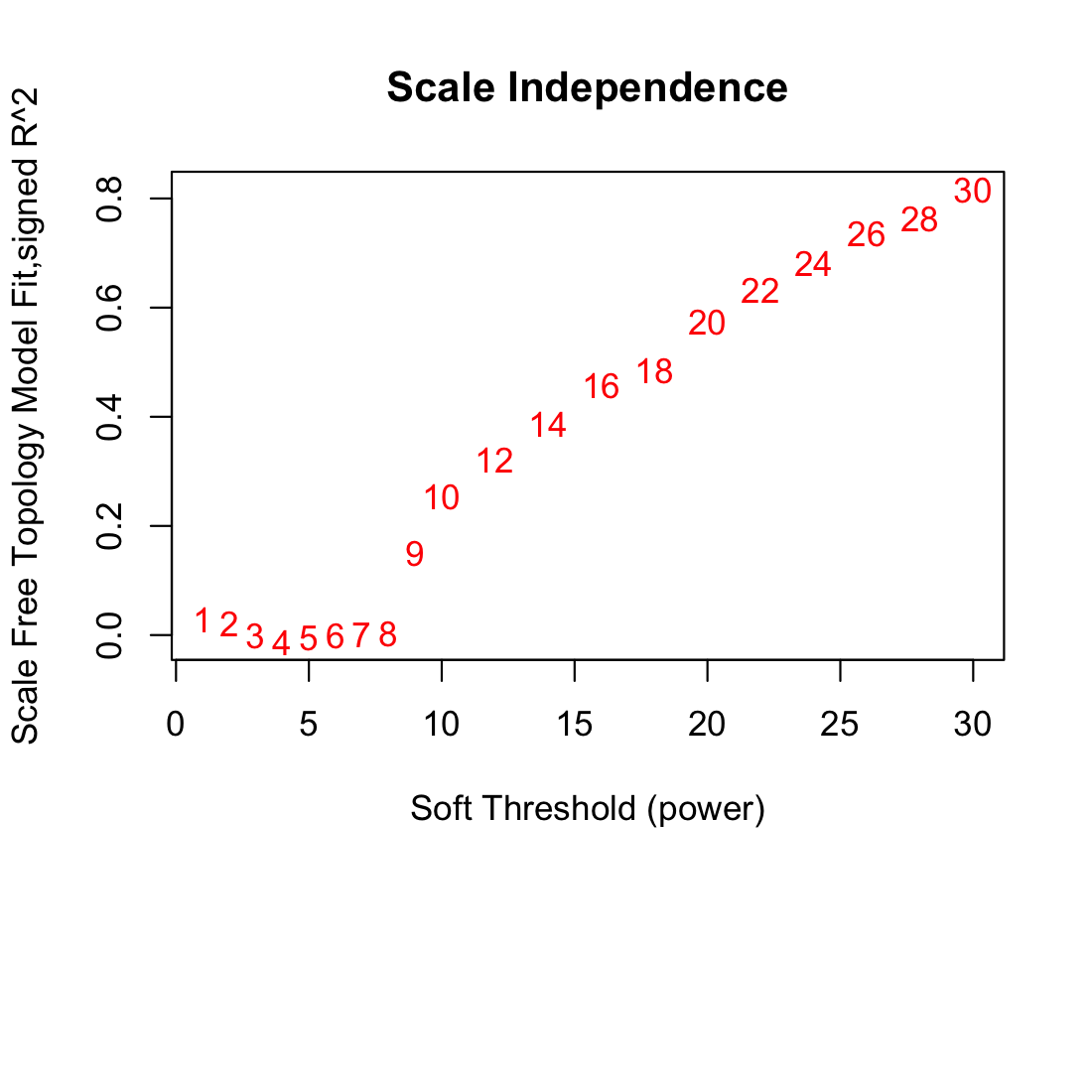
| 10:19, 25 February 2026 | Wgcna null power.png (file) |  |
86 KB | 1 | |
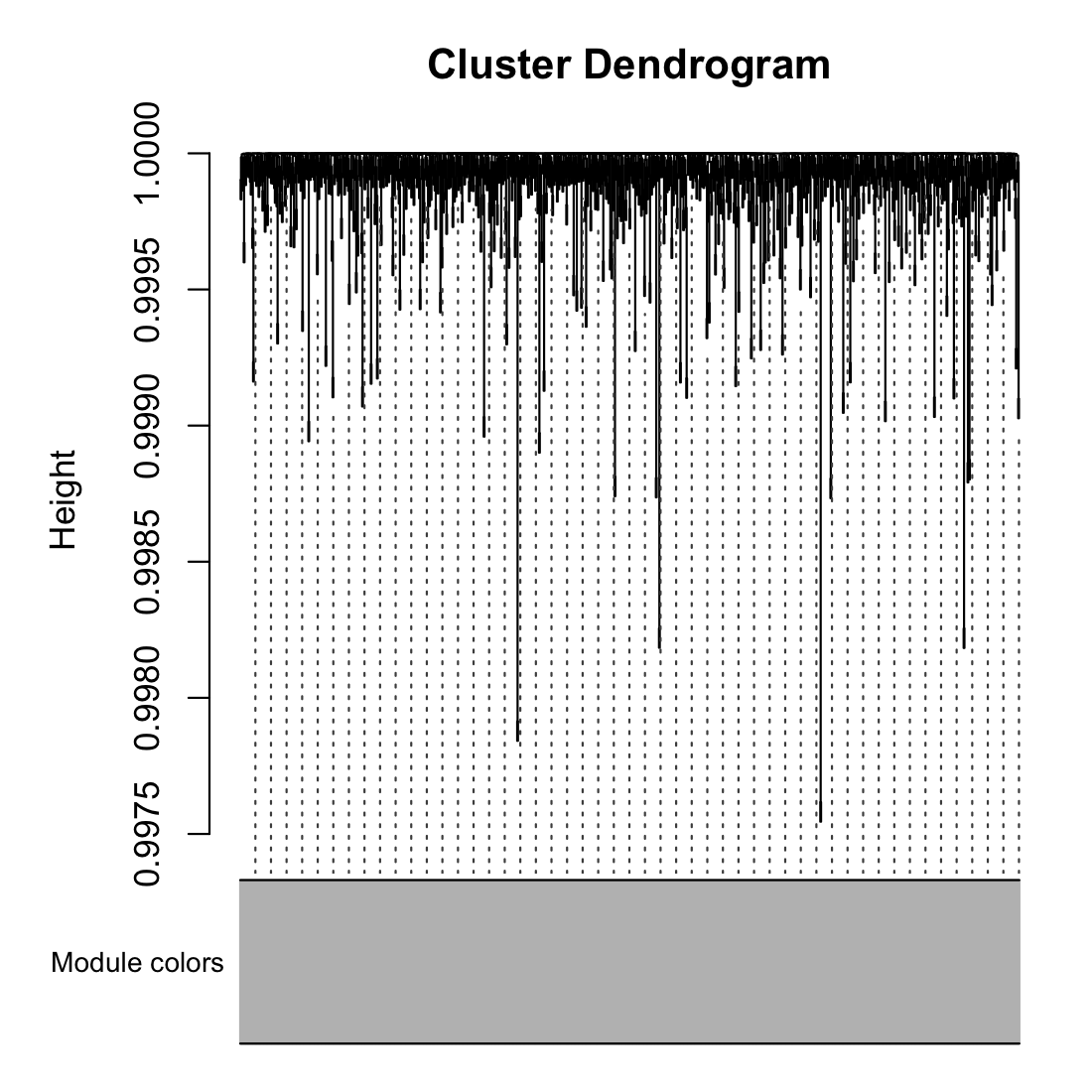
| 10:19, 25 February 2026 | Wgcna null dend.png (file) |  |
198 KB | <syntaxhighlight lang='r'> library(WGCNA) # Set seed for reproducibility set.seed(123) # 1. Create a "Scaffold" for 3 modules (patterns of expression) nSamples = 50 # 2. Generate 1000 genes based on these patterns + some noise # Module 1: 200 genes correlated with pattern 1 noise = matrix(rnorm(nSamples*1000), nrow=nSamples) # 3. Combine into one expression matrix (Samples as Rows, Genes as Columns) datExpr2 = as.data.frame(noise) colnames(datExpr2) = paste0("Gene", 1:1000) rownames(datEx... | 1 |
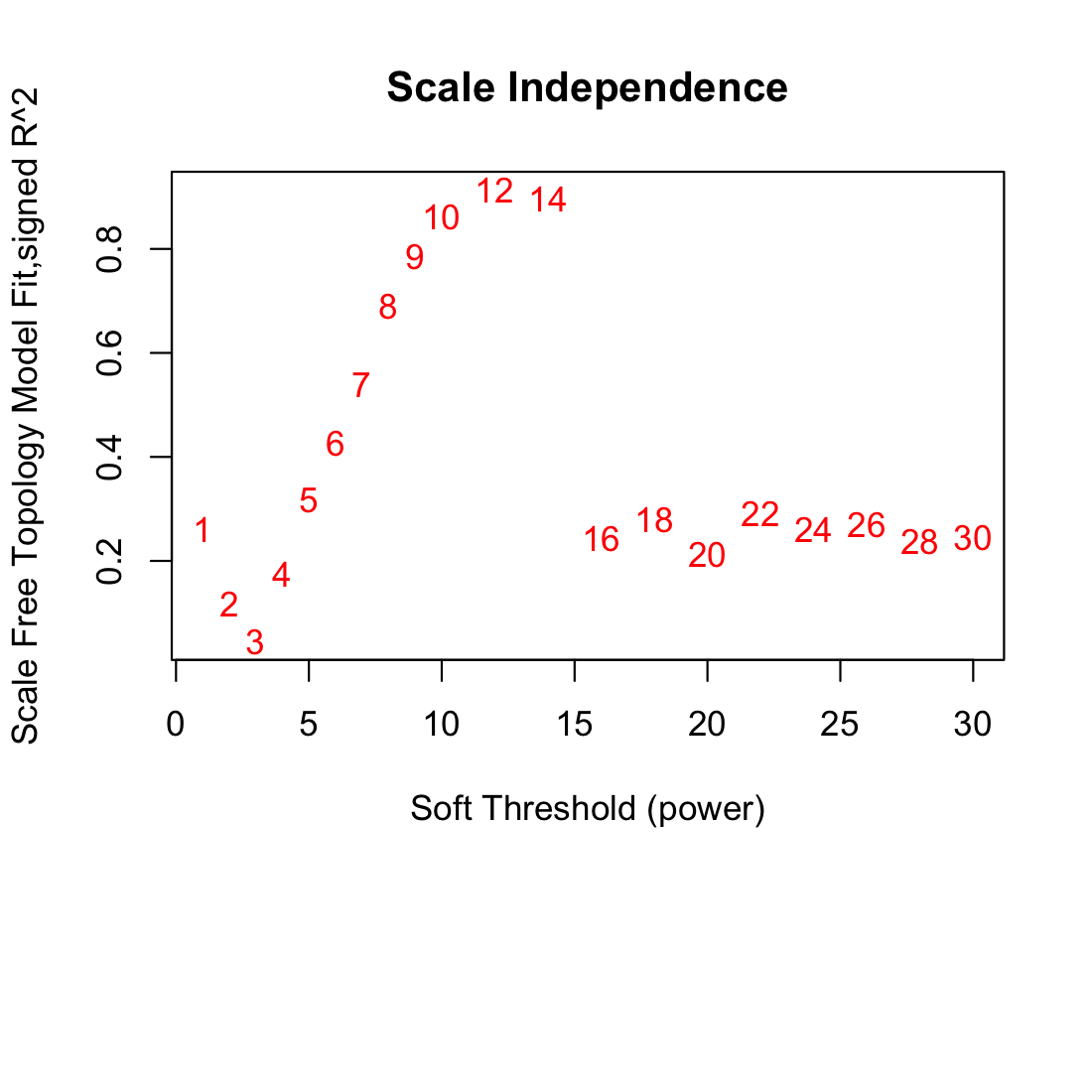
| 10:16, 25 February 2026 | Wgcna 3clusters power.png (file) |  |
88 KB | 1 | |
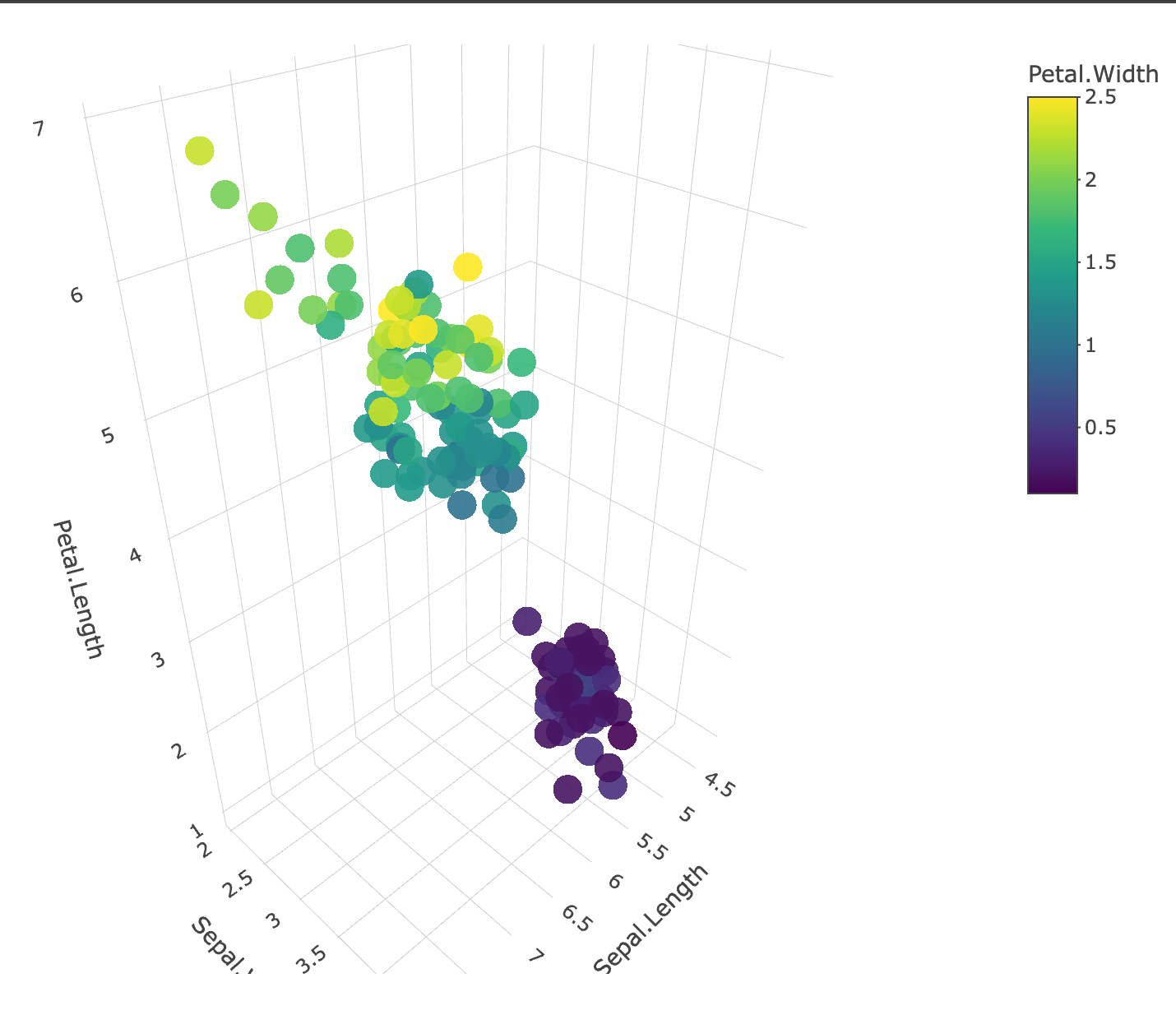
| 15:32, 19 February 2026 | Plotly 3d cont.png (file) |  |
158 KB | <syntaxhighlight lang='r'> library(plotly) plot_ly( iris, x = ~Sepal.Length, y = ~Sepal.Width, z = ~Petal.Length, color = ~Petal.Width, # Now using a numeric/continuous variable type = "scatter3d", mode = "markers", marker = list( size = 10, opacity = 0.9, colorbar = list(title = "Petal Width") # Optional: adds a label to the color scale ) ) </syntaxhighlight> | 1 |
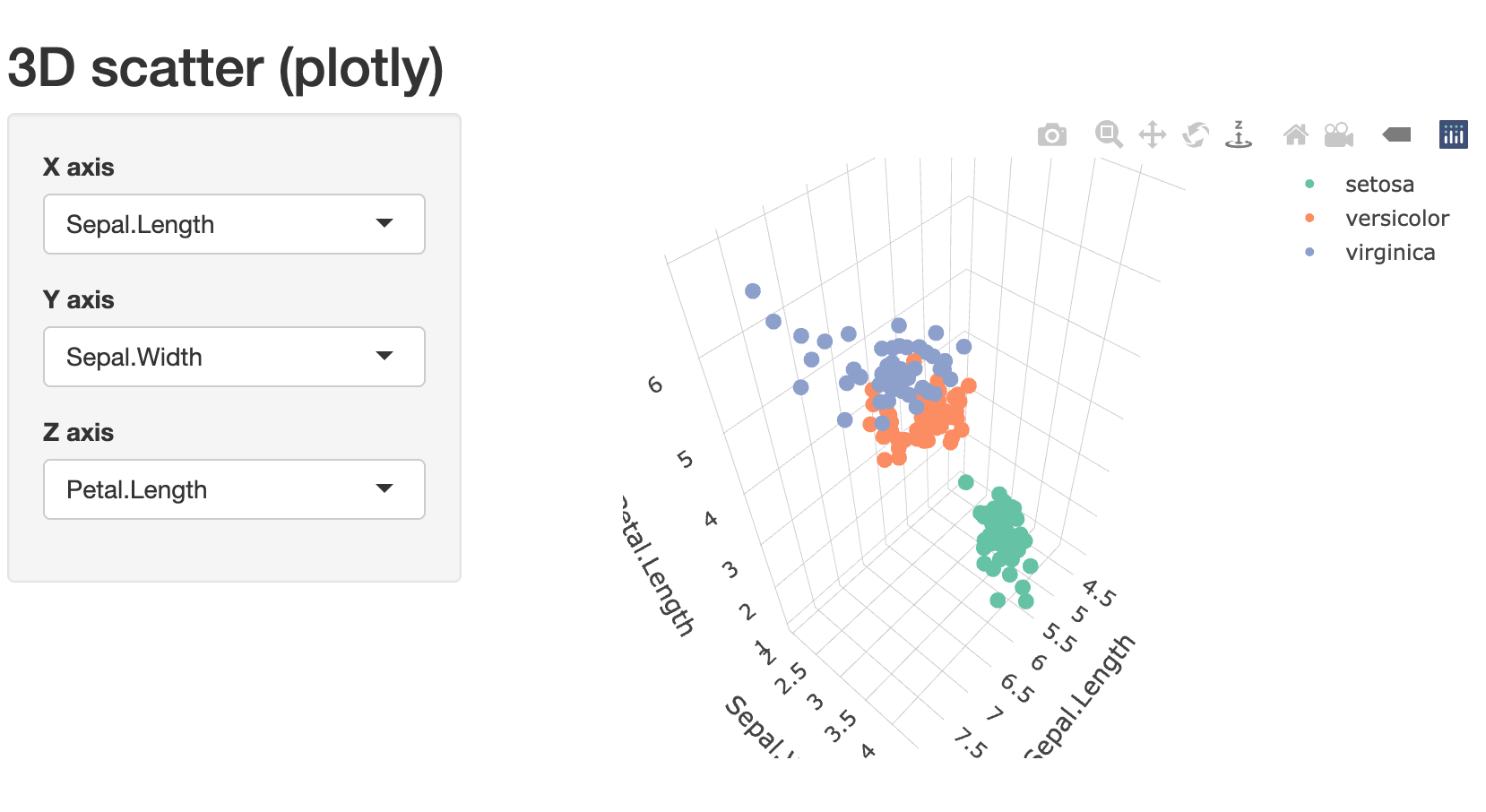
| 14:51, 19 February 2026 | Plotly shiny 3d.png (file) |  |
135 KB | <syntaxhighlight lang='r'> # method 3: install.packages(c("shiny","plotly")) library(shiny) library(plotly) ui <- fluidPage( titlePanel("3D scatter (plotly)"), sidebarLayout( sidebarPanel( selectInput("x", "X axis", choices = names(iris), selected = "Sepal.Length"), selectInput("y", "Y axis", choices = names(iris), selected = "Sepal.Width"), selectInput("z", "Z axis", choices = names(iris), selected = "Petal.Length") ), mainPanel(plotlyOutput("plot3d")) )... | 1 |
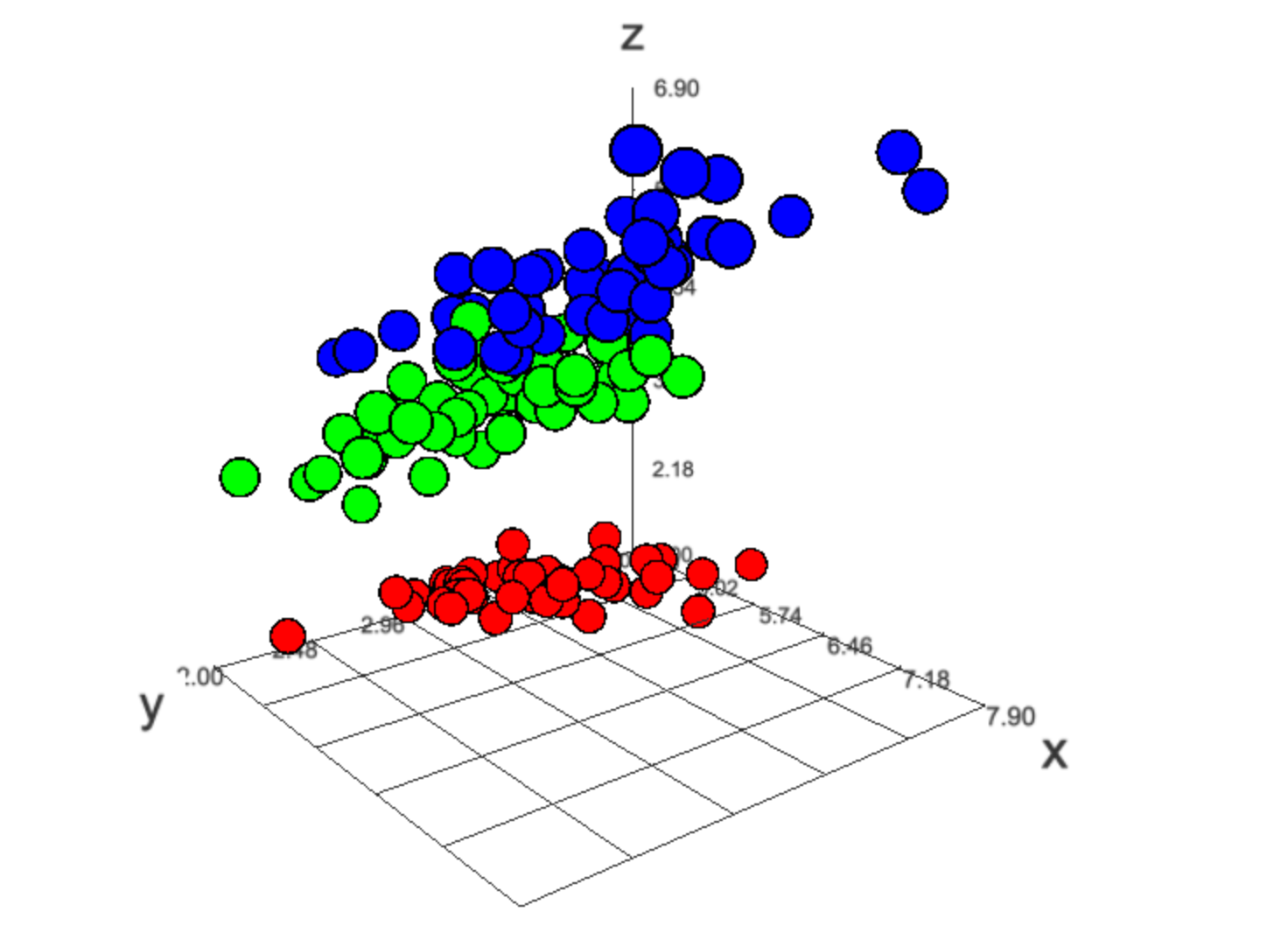
| 14:50, 19 February 2026 | Threejs 3d.png (file) |  |
163 KB | <syntaxhighlight lang='r'> # method 2. High-performance WebGL: threejs (great for large datasets) library(threejs) # numeric color vector by Species cols <- as.numeric(iris$Species) pal <- rainbow(length(unique(cols))) widget <- scatterplot3js( x = iris$Sepal.Length, y = iris$Sepal.Width, z = iris$Petal.Length, color = pal[cols], size = .8, # control marker sizes grid = TRUE, renderer = "auto", # or "webgl" (webgl recommended for speed) bg = "white", l... | 1 |
| 14:48, 19 February 2026 | Plotly 3d.png (file) |  |
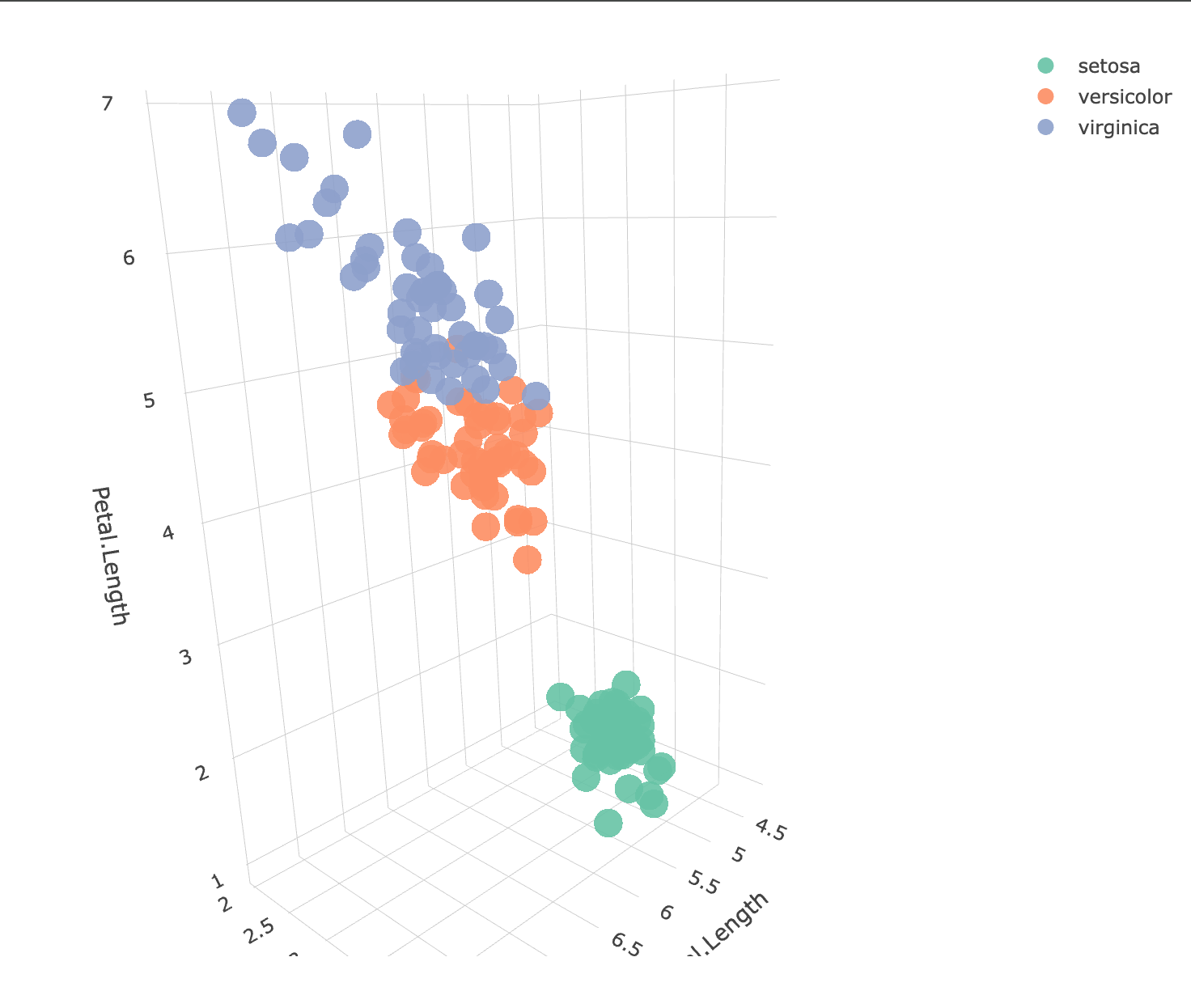
140 KB | <syntaxhighlight lang='r'> library(plotly) p <- plot_ly( iris, x = ~Sepal.Length, y = ~Sepal.Width, z = ~Petal.Length, color = ~Species, type = "scatter3d", mode = "markers", marker = list( size = 10, # fixed size opacity = 0.9 ) ) p # displays in RStudio Viewer or browser # htmlwidgets::saveWidget(p, "iris_3d_plotly.html", selfcontained = TRUE) </syntaxhighlight> | 1 |
| 11:08, 22 December 2025 | Annotation legend param.png (file) |  |
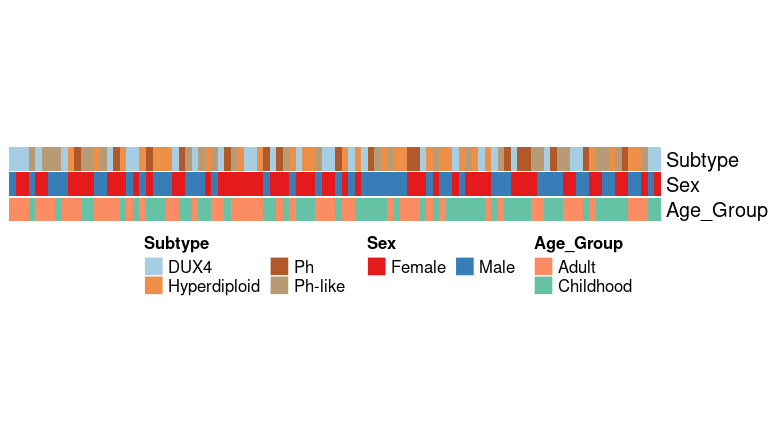
17 KB | <syntaxhighlight lang='r'> library(RColorBrewer) library(ComplexHeatmap) set.seed(123) n <- 100 df <- data.frame( Subtype = sample(c("Hyperdiploid", "Ph-like", "DUX4", "Ph"), n, replace = TRUE), Sex = sample(c("Male", "Female"), n, replace = TRUE), Age_Group = sample(c("Childhood", "Adult"), n, replace = TRUE) ) # 1. Define distinct palettes # Subtype: Using "Set3" or "Paired" for many categories subtype_cols <- setNames( colorRampPalette(brewer.pal(12, "Paired"))(length(unique(df$S... | 1 |
| 14:33, 19 December 2025 | Uwot.png (file) |  |
91 KB | <syntaxhighlight lang='r'> # Prepare data library(uwot) library(ggplot2) library(dplyr) # training and test sets (as given) iris_train <- iris[c(1:10, 51:60), ] iris_test <- iris[100:110, ] # numeric feature matrices x_train <- as.matrix(iris_train[, 1:4]) x_test <- as.matrix(iris_test[, 1:4]) # Fit UMAP on training data (keep model) set.seed(123) umap_model <- umap( x_train, n_neighbors = 5, min_dist = 0.1, n_components = 2, ret_model = TRUE ) # training embedding train_embe... | 1 |
| 20:21, 6 December 2025 | Youtube-embed.png (file) |  |
302 KB | 1 | |
| 11:48, 1 December 2025 | Dendro colorbars.png (file) |  |
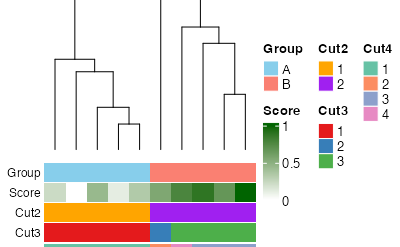
11 KB | <syntaxhighlight lang='r'> library(ComplexHeatmap) library(circlize) library(RColorBrewer) set.seed(123) # --- Example data (10 samples) --- mat <- matrix(rnorm(30), nrow = 10) rownames(mat) <- paste0("Sample", 1:10) mat[1:5, ] <- mat[1:5, ] mat[6:10, ] <- mat[6:10, ] + 2 # Cluster on samples (rows) hc <- hclust(dist(mat)) # Annotations in ORIGINAL sample order groups <- rep(c("A", "B"), each = 5) score <- seq(0, 1, length = 10) cl2 <- cutree(hc, 2) cl3 <- cutree(hc, 3) cl4 <- cutree(hc,... | 1 |
| 18:16, 10 November 2025 | Umap-iris.png (file) |  |
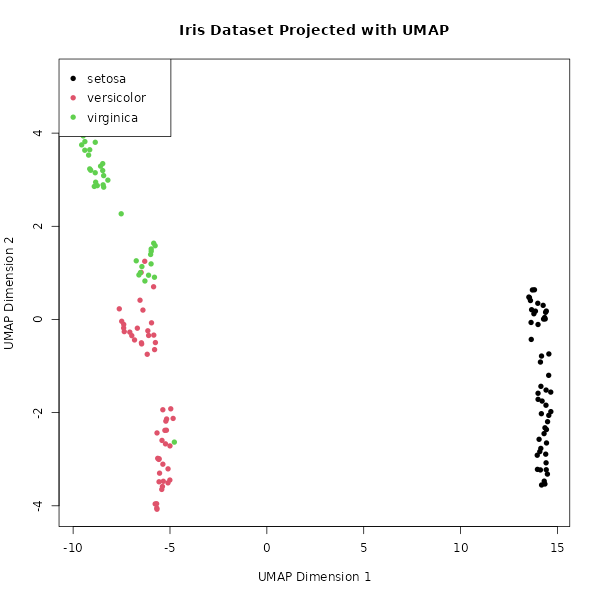
25 KB | <syntaxhighlight lang='r'> library(umap) # Load the built-in Iris dataset data(iris) # Separate the features (variables) from the species labels iris_features <- iris[, 1:4] iris_species <- iris[, 5] # Run UMAP, reducing the 4 dimensions down to 2 # n_neighbors: Controls how UMAP balances local vs. global structure. # min_dist: Controls how tightly points are packed together. iris_umap_results <- umap(iris_features, random_state = 42) # The result is a list. The actual 2D coordinates are... | 1 |
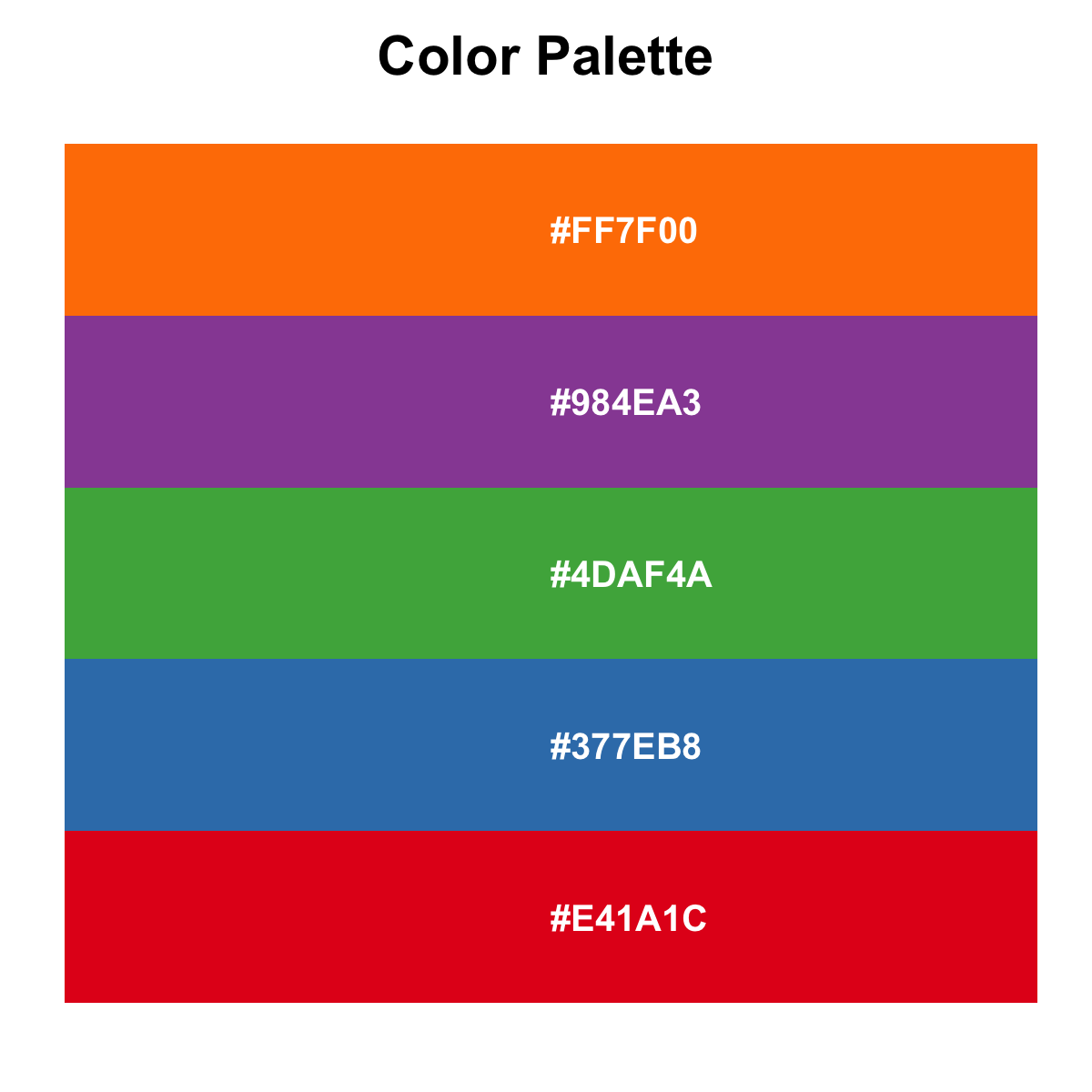
| 20:07, 28 October 2025 | Paletteer d.png (file) |  |
39 KB | <syntaxhighlight lang='r'> paletteer_d("RColorBrewer::RdBu") #<colors> #67001FFF #B2182BFF #D6604DFF #F4A582FF #FDDBC7FF #F7F7F7FF #D1E5F0FF #92C5DEFF #4393C3FF #2166ACFF #053061FF paletteer_d("ggsci::uniform_startrek") # <colors> #CC0C00FF #5C88DAFF #84BD00FF #FFCD00FF #7C878EFF #00B5E2FF #00AF66FF </syntaxhighlight> | 1 |
| 16:12, 4 October 2025 | Massage.png (file) |  |
1.55 MB | 1 | |
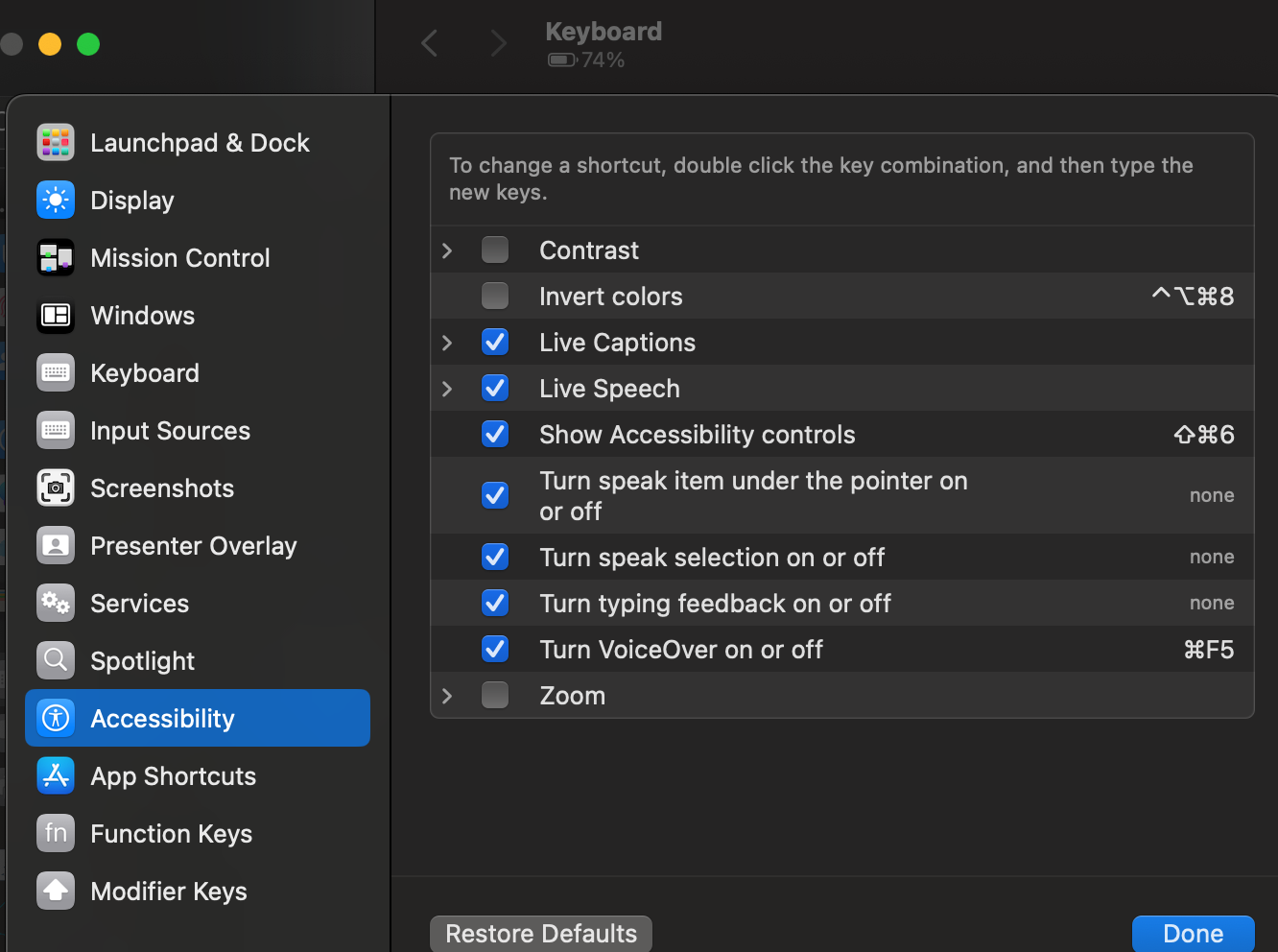
| 15:57, 8 September 2025 | MacSettingKeyboardShortcut.png (file) |  |
274 KB | 1 | |
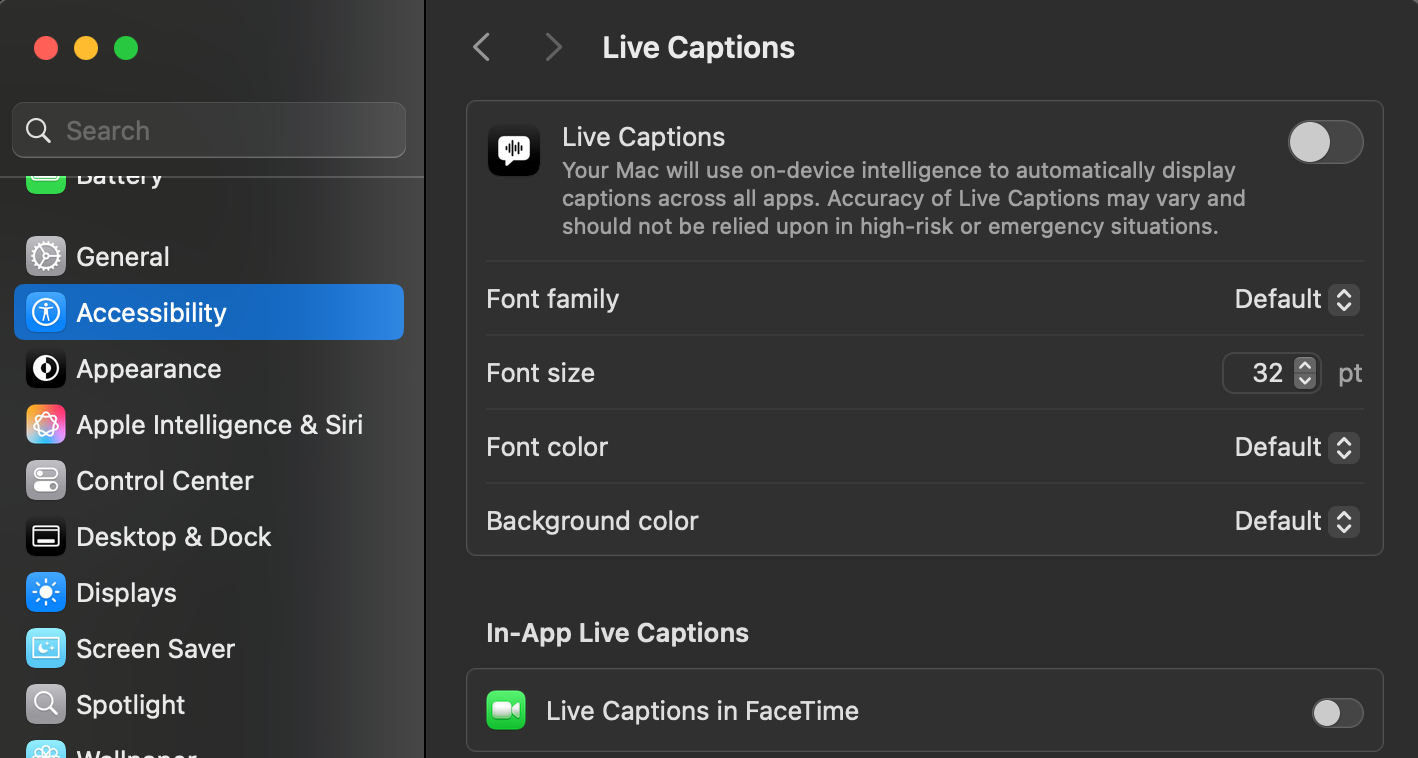
| 15:56, 8 September 2025 | MacSettingLiveCaption.png (file) |  |
271 KB | 1 | |
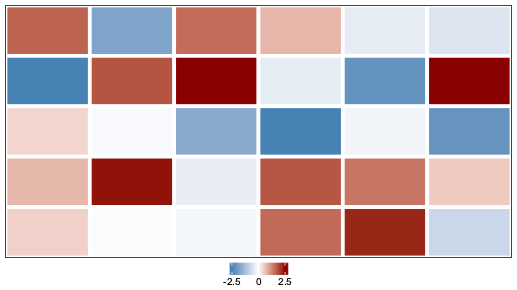
| 10:17, 7 August 2025 | Heatmap-gaps.png (file) |  |
4 KB | <syntaxhighlight lang='r'> # 1. Prepare the data set.seed(42) mat = matrix(rnorm(30, mean = 0, sd = 1.2), nrow = 5, ncol = 6) mat[2, 1] = -2.5 mat[2, 6] = 2.5 mat[1, 2] = -1.8 mat[4, 4] = 1.8 # 2. Define the color palette library(circlize) col_fun = colorRamp2(c(-2.5, 0, 2.5), c("steelblue", "white", "darkred")) # 3. Create the heatmap object library(ComplexHeatmap) ht = Heatmap( mat, col = col_fun, cluster_rows = FALSE, cluster_columns = FALSE, show_row_names = FALSE, show_colu... | 1 |
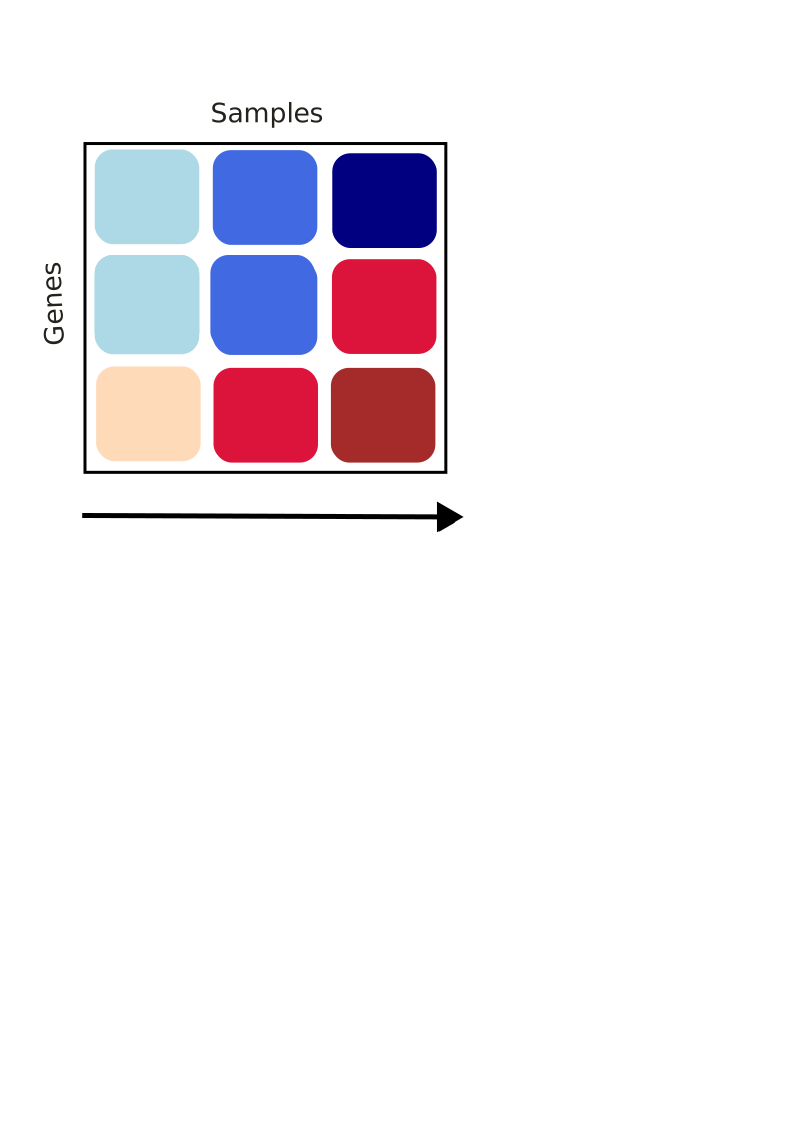
| 15:18, 29 July 2025 | Inkscape-heatmap.svg (file) |  |
7 KB | 1 | |
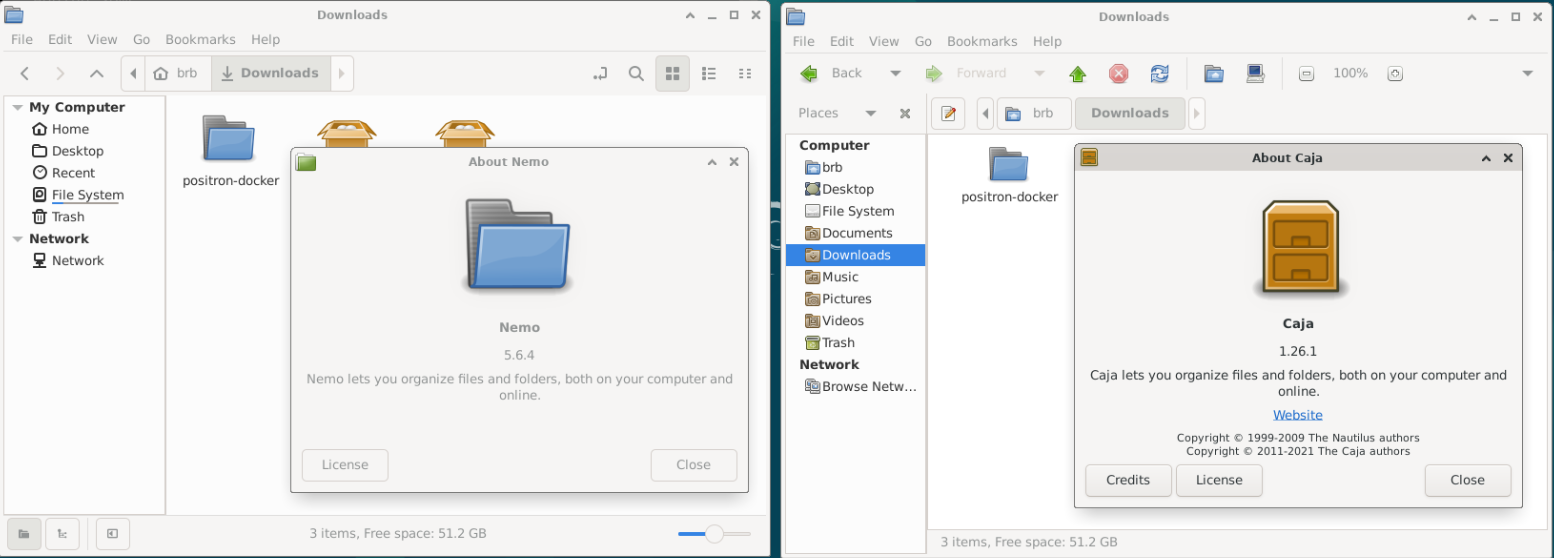
| 09:16, 19 July 2025 | NemoCaja.png (file) |  |
182 KB | 1 | |
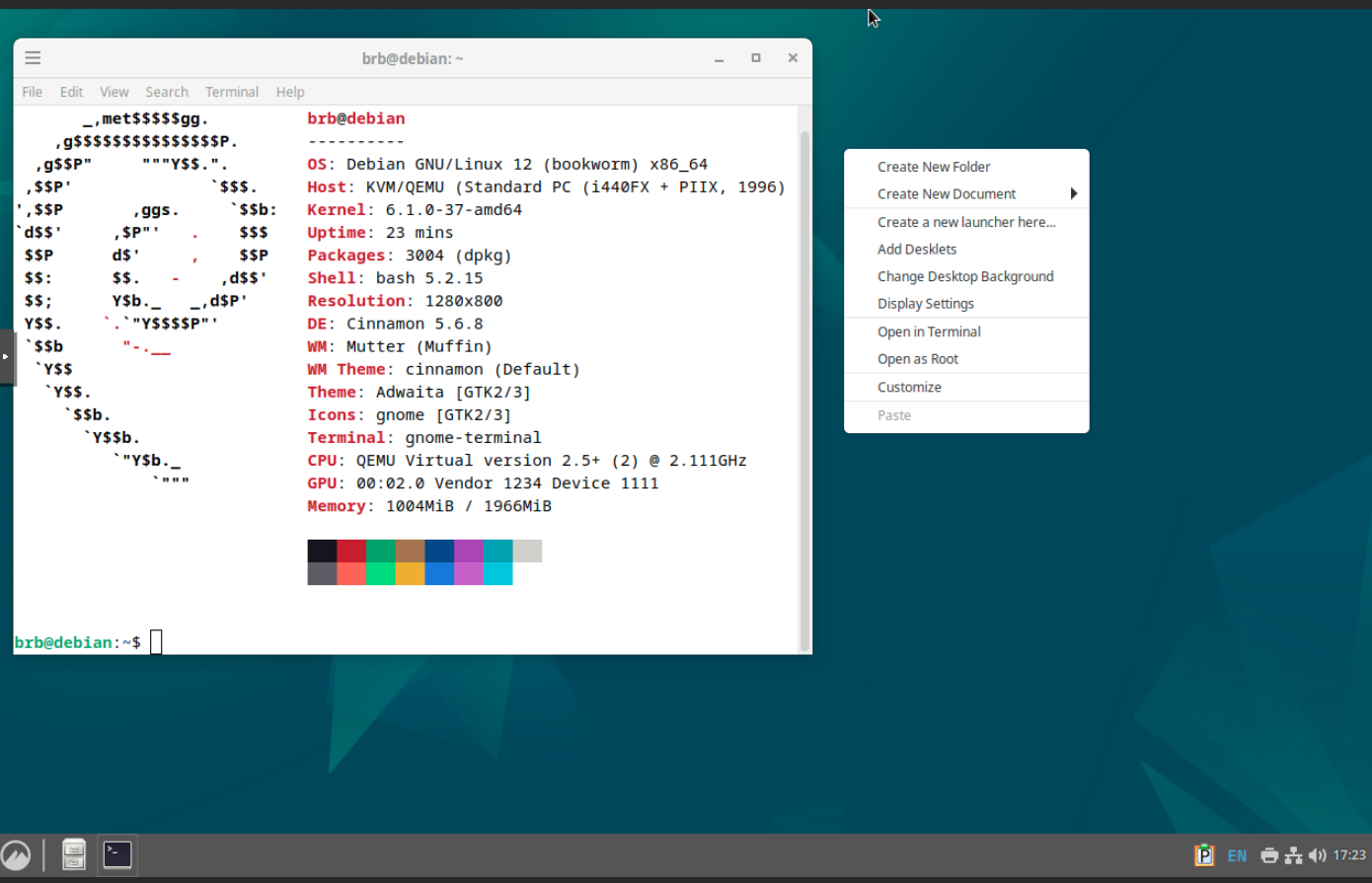
| 17:25, 5 July 2025 | Cinnamon.png (file) |  |
290 KB | 1 | |
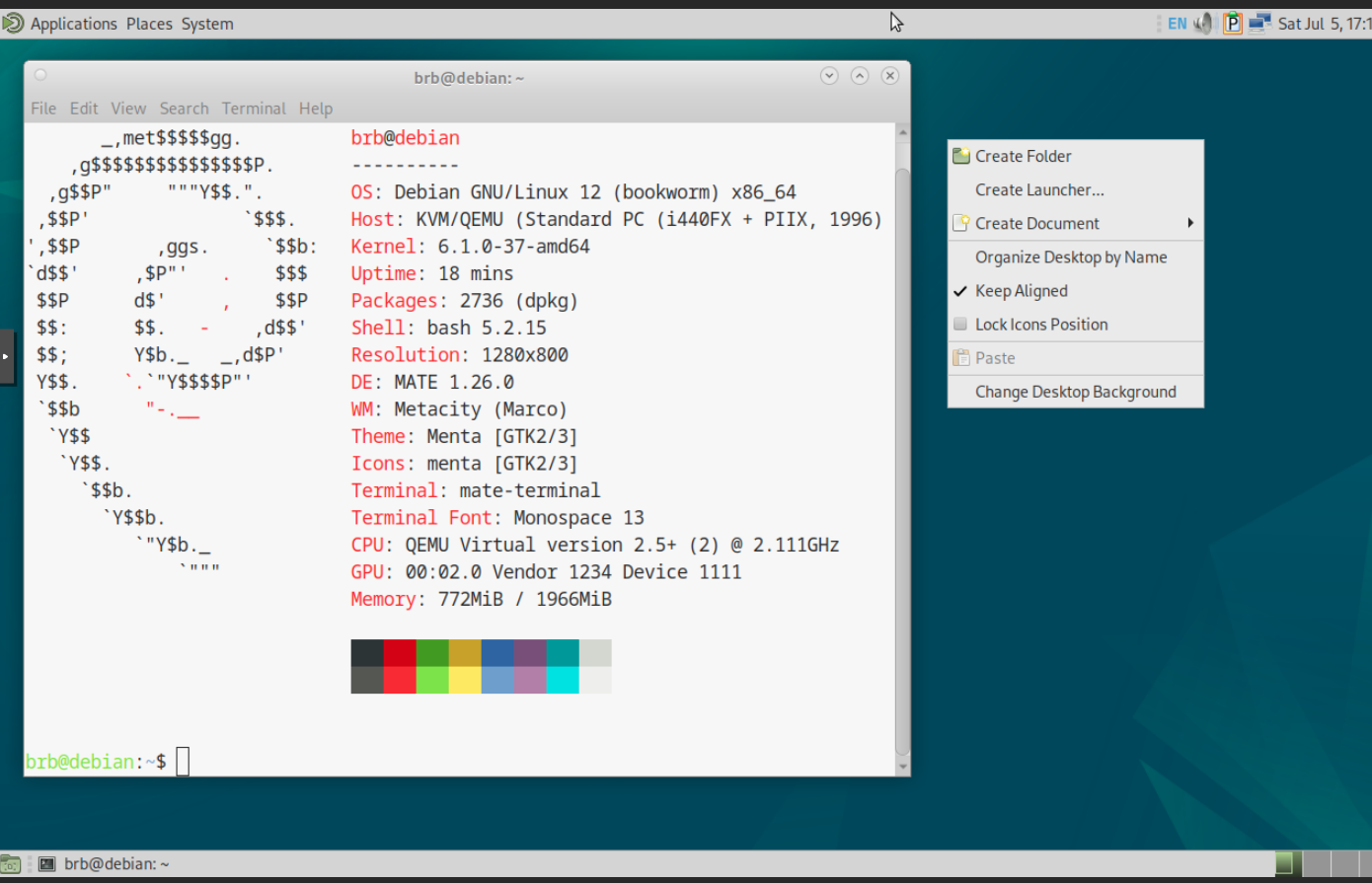
| 17:18, 5 July 2025 | MATE.png (file) |  |
296 KB | 1 | |
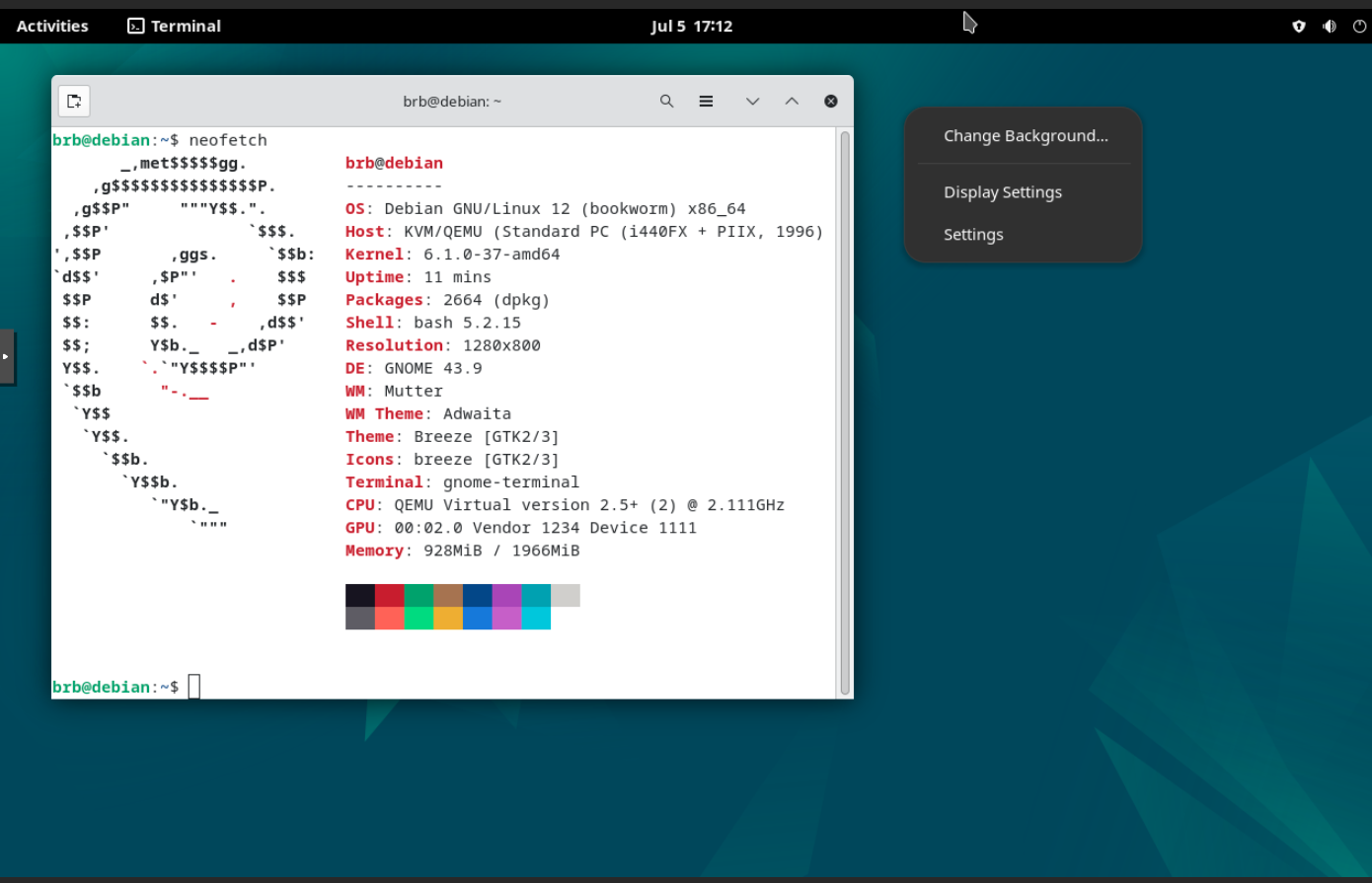
| 17:13, 5 July 2025 | GNOME.png (file) |  |
273 KB | 1 | |
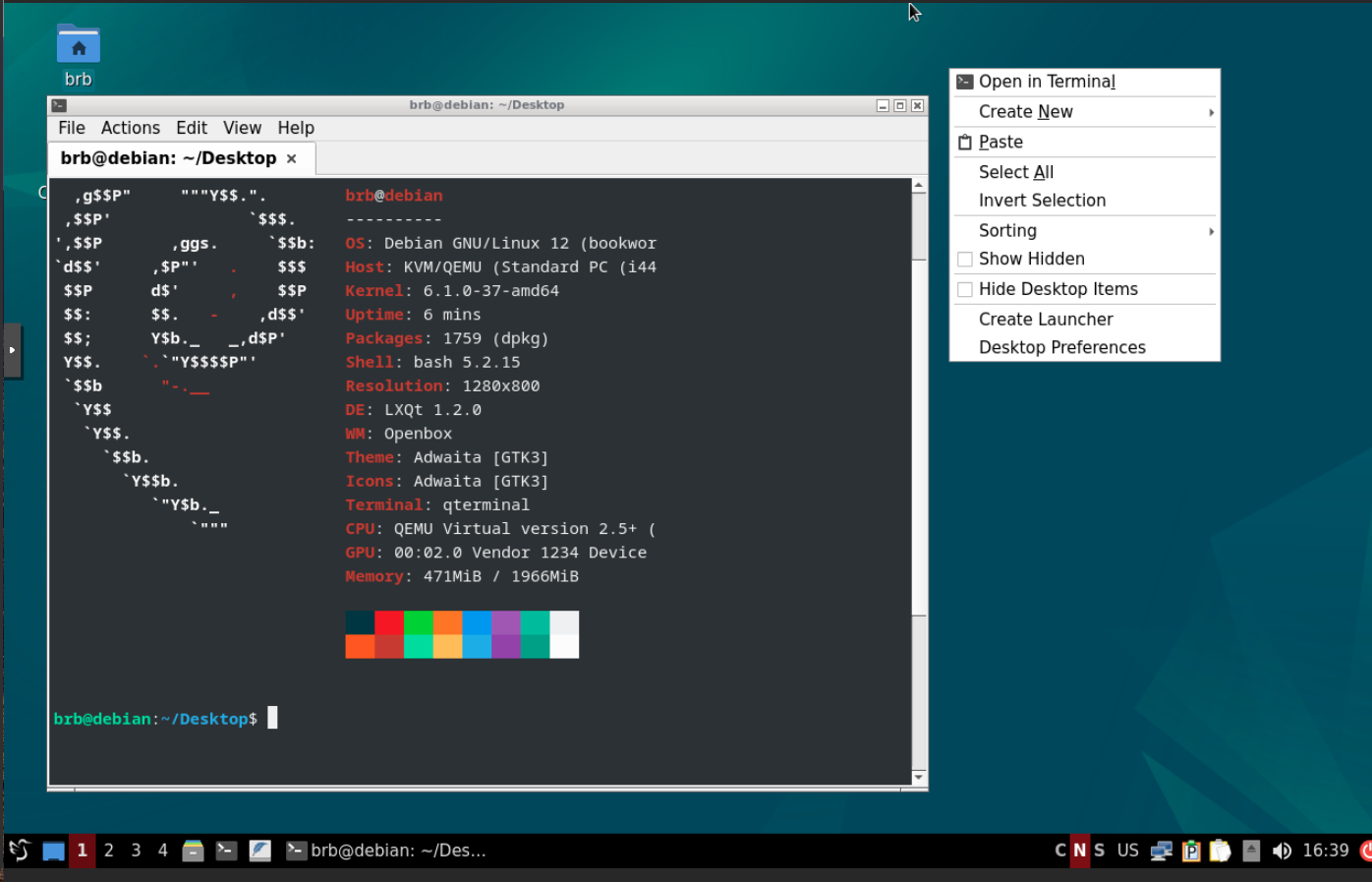
| 17:06, 5 July 2025 | KDE.png (file) |  |
325 KB | 1 | |
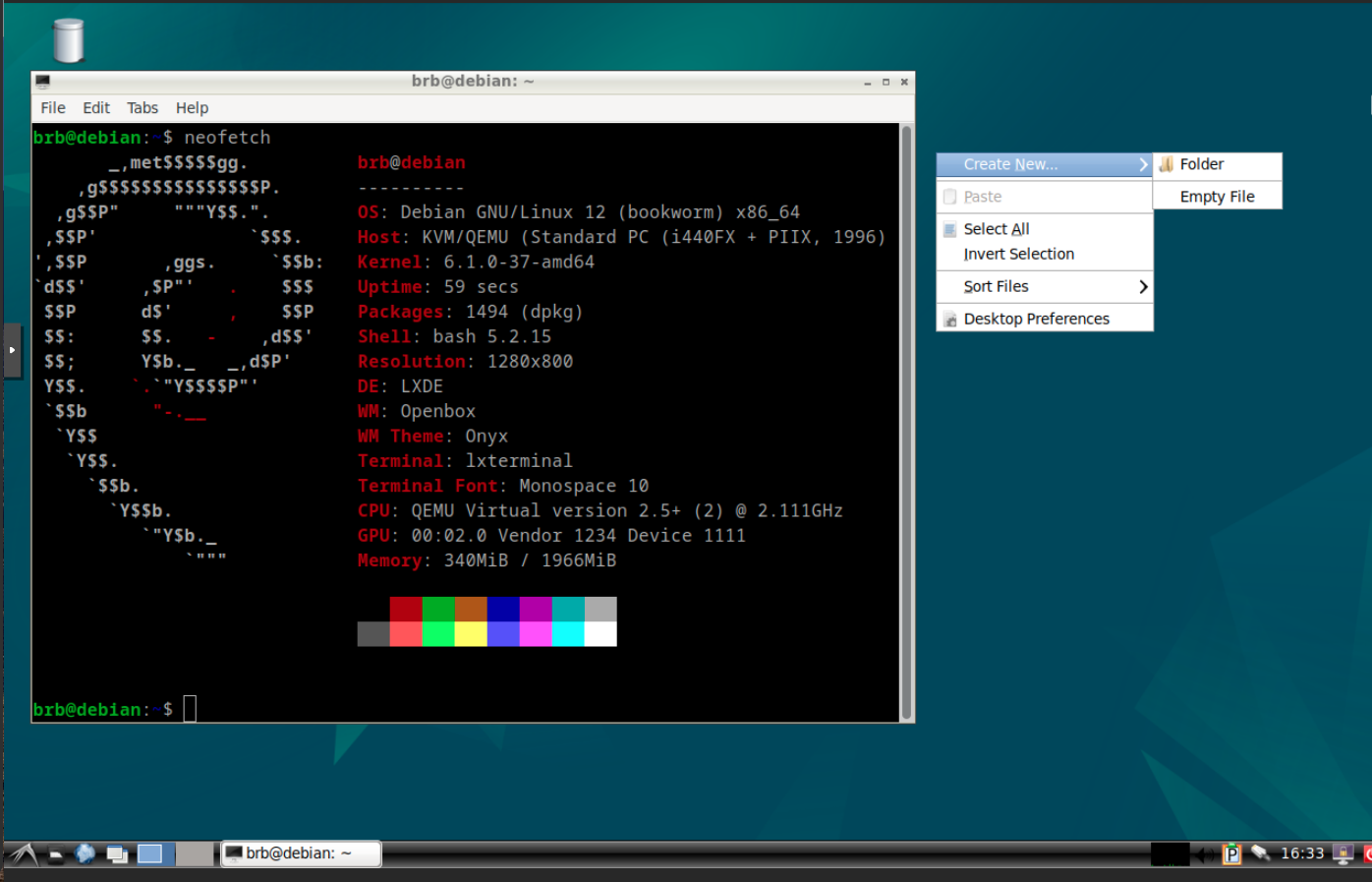
| 16:52, 5 July 2025 | LXDE.png (file) |  |
251 KB | 1 | |
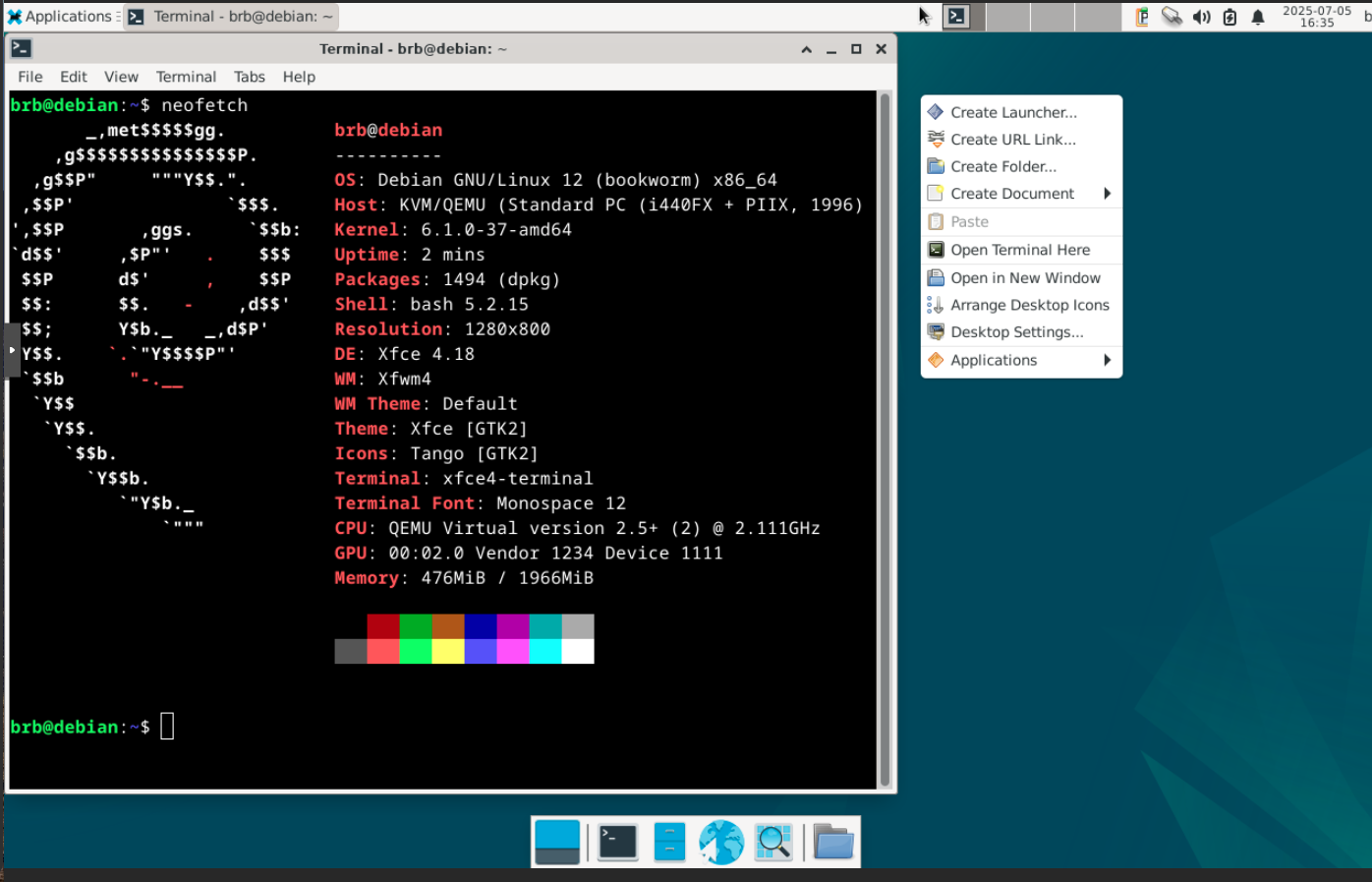
| 16:52, 5 July 2025 | Xfce.png (file) |  |
274 KB | 1 | |
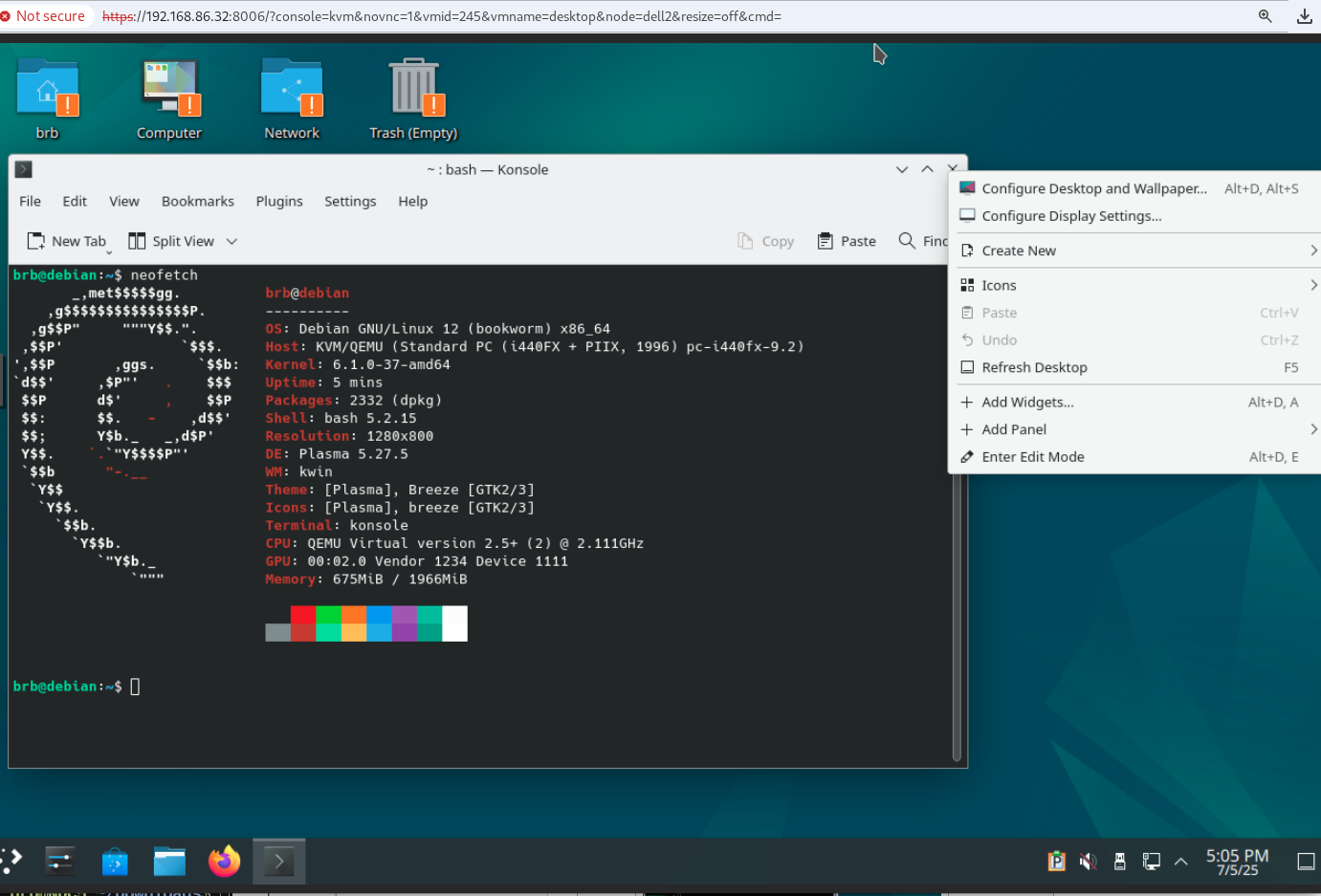
| 16:50, 5 July 2025 | LXQt.png (file) |  |
271 KB | 1 | |
| 15:16, 2 July 2025 | Palbarplot.png (file) |  |
57 KB | 1 | |
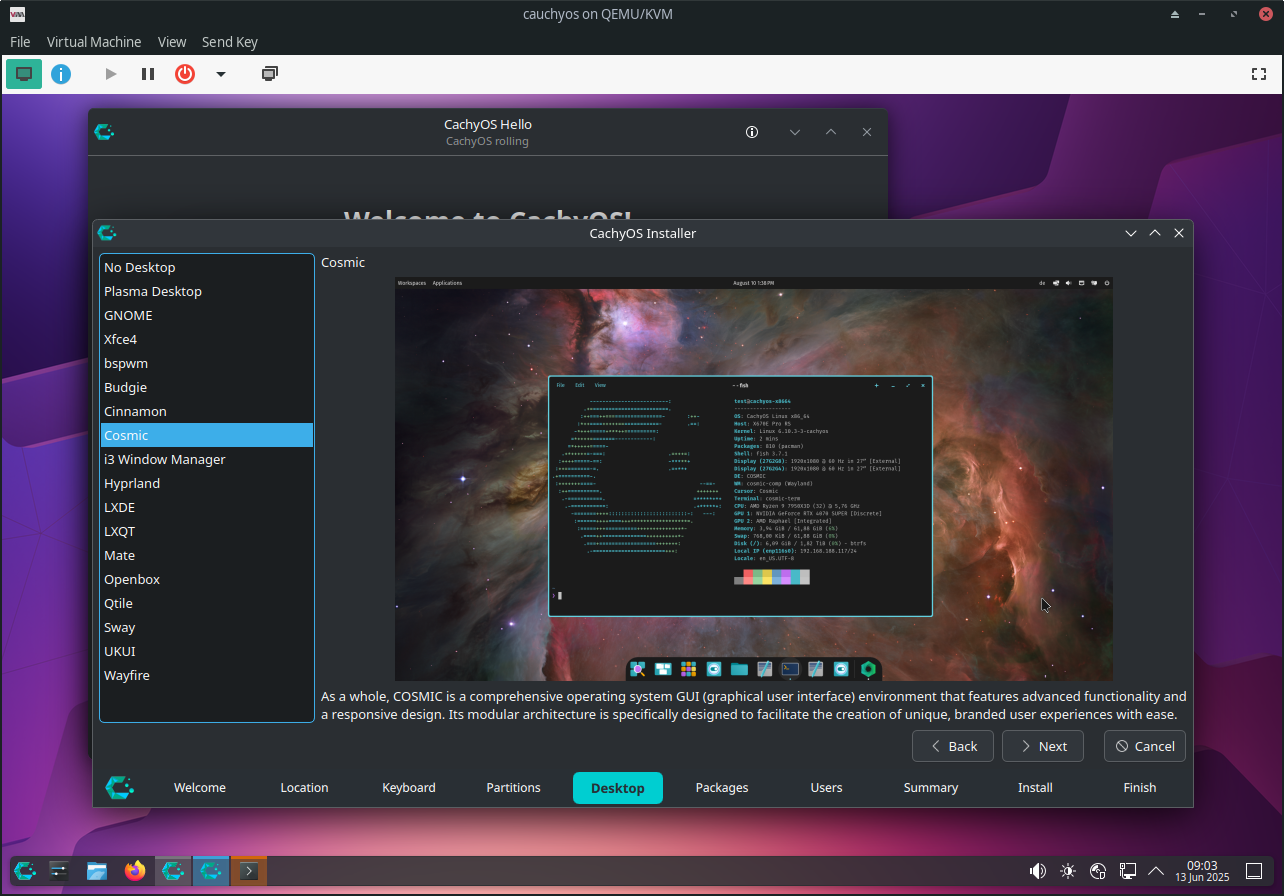
| 09:07, 13 June 2025 | Cauchyos install.png (file) |  |
579 KB | 1 | |
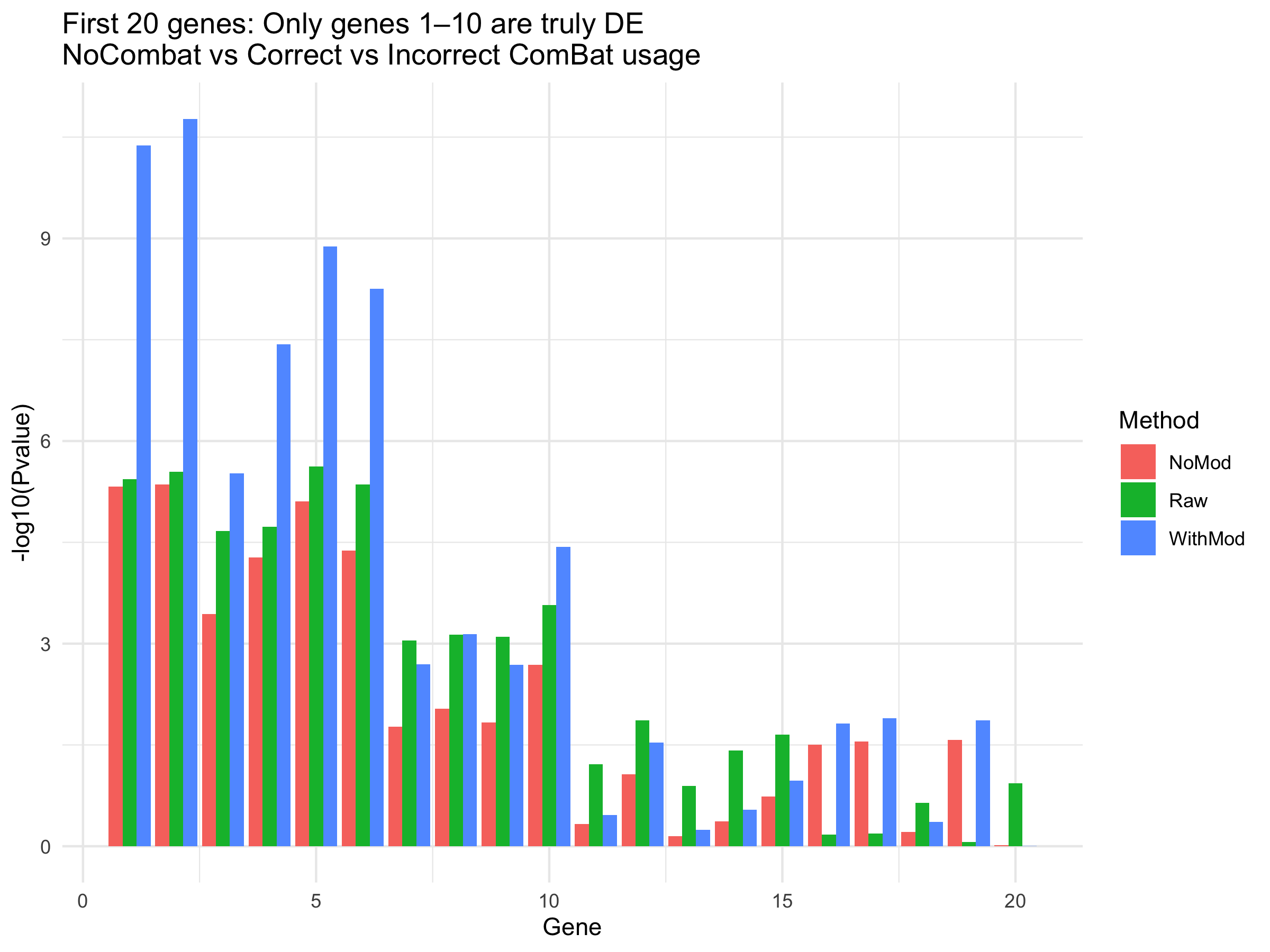
| 13:44, 20 May 2025 | Combat DE mod.png (file) |  |
149 KB | Demonstrate the importance of the 'mod' parameter in sva::ComBat() <syntaxhighlight lang='r'> library(sva) library(limma) library(ggplot2) library(tidyr) set.seed(42) n_genes <- 100 n_samples <- 20 # Group: 10 Case and 10 Control — spread across batches group <- sample(rep(c("Control", "Case"), each=10)) # now randomized batch <- rep(c(1, 2), each=10) # Simulate expression data expr <- matrix(rnorm(n_genes * n_samples, mean=5, sd=1), nrow=n_genes) # Add true signal to 10 genes for Case... | 1 |
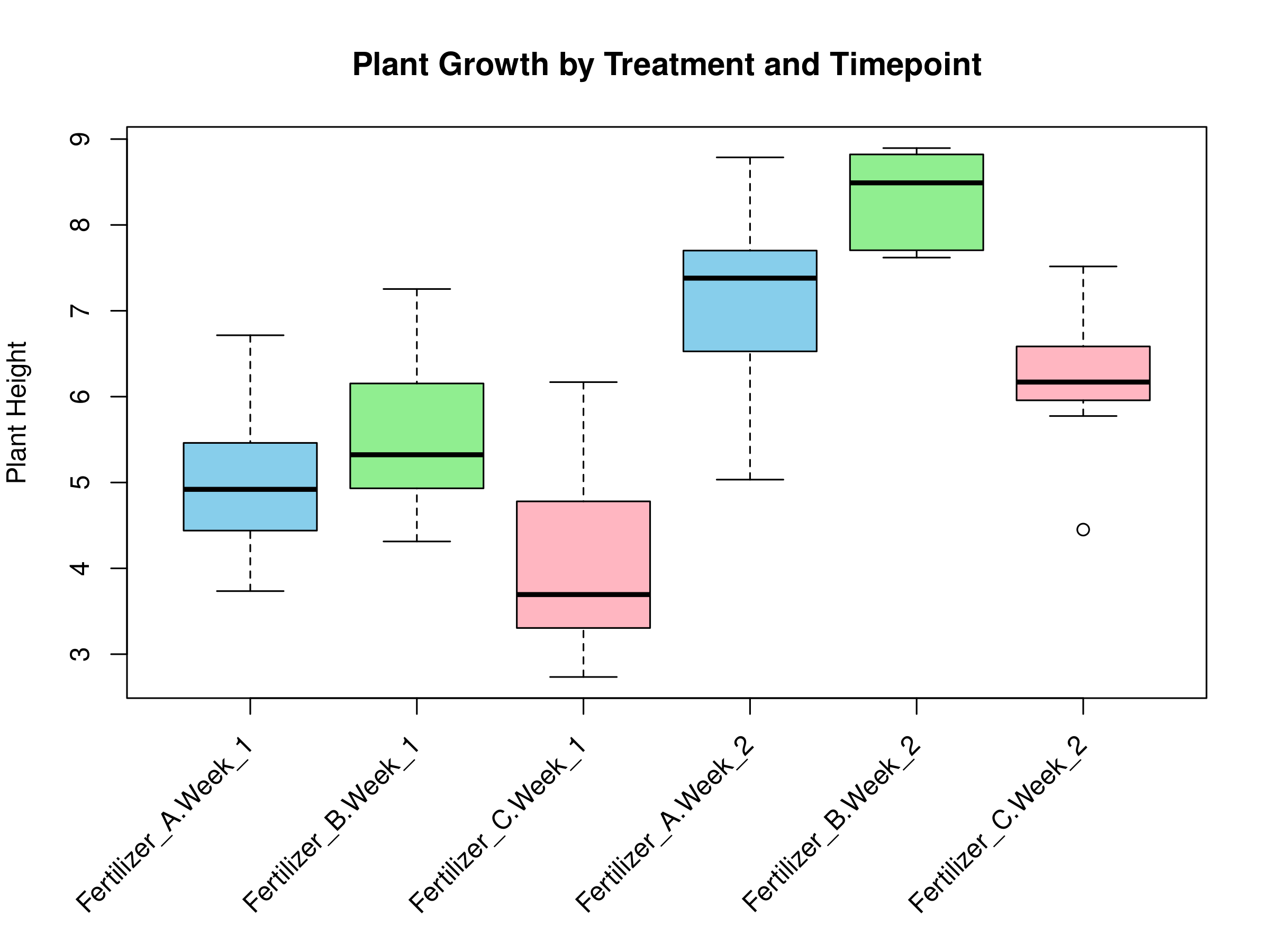
| 21:47, 17 May 2025 | Twoway.png (file) |  |
76 KB | <syntaxhighlight lang='r'> png("~/Downloads/twoway.png", width=8, height=6, units="in",res=300) par(mar = c(8, 4, 4, 2)) boxplot(y ~ treatment * timepoint, data = df, col = c("skyblue", "lightgreen", "lightpink"), main = "Plant Growth by Treatment and Timepoint", xlab = "", ylab = "Plant Height", xaxt = "n") # Add rotated x-axis labels labels <- levels(interaction(df$treatment, df$timepoint)) axis(1, at = 1:length(labels), labels = FALSE) # Add ticks without labels... | 1 |
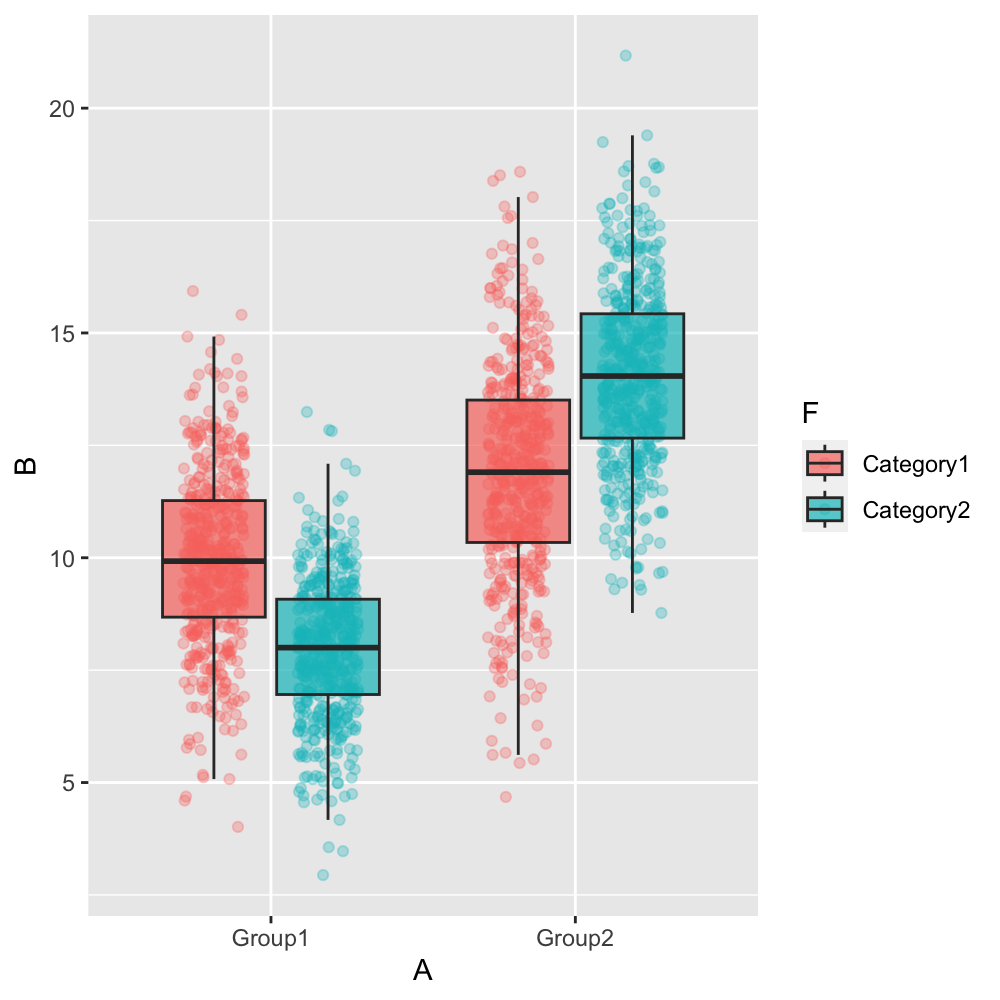
| 13:33, 17 April 2025 | Groupjitterboxplot.png (file) |  |
247 KB | <syntaxhighlight lang='r'> library(ggplot2) library(dplyr) # Create a sample dataset with large sample size set.seed(42) n_per_group <- 500 # 500 samples per group and category combination (2000 total) data <- data.frame( A = rep(c("Group1", "Group2"), each = n_per_group * 2), B = c(rnorm(n_per_group, 10, 2), rnorm(n_per_group, 8, 1.5), # Group1: Category1, Category2 rnorm(n_per_group, 12, 2.5), rnorm(n_per_group, 14, 2)), # Group2: Category1, Category2 F = rep(rep(c("Categ... | 1 |
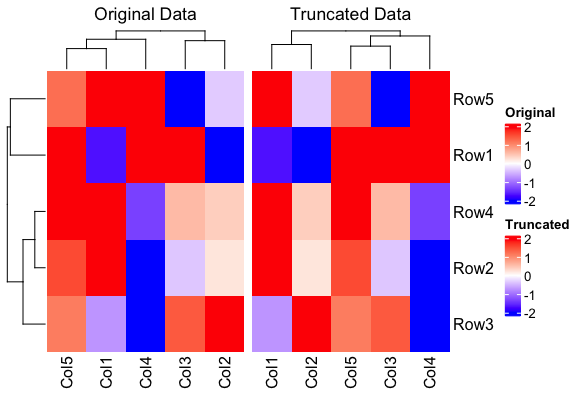
| 17:37, 31 January 2025 | Heatmapcolparam.png (file) |  |
27 KB | <syntaxhighlight lang='r'> library(ComplexHeatmap) library(circlize) # Create a sample 5x5 matrix with values from -4 to 4 set.seed(123) # for reproducibility example_matrix <- matrix(runif(25, -4, 4), nrow = 5) colnames(example_matrix) <- paste0("Col", 1:5) rownames(example_matrix) <- paste0("Row", 1:5) # Define the color function that truncates at -2 and 2 col_fun <- colorRamp2(c(-2, 0, 2), c("blue", "white", "red")) # Plot the heatmap without truncating the data heatmap1 <- Heatmap(exa... | 1 |
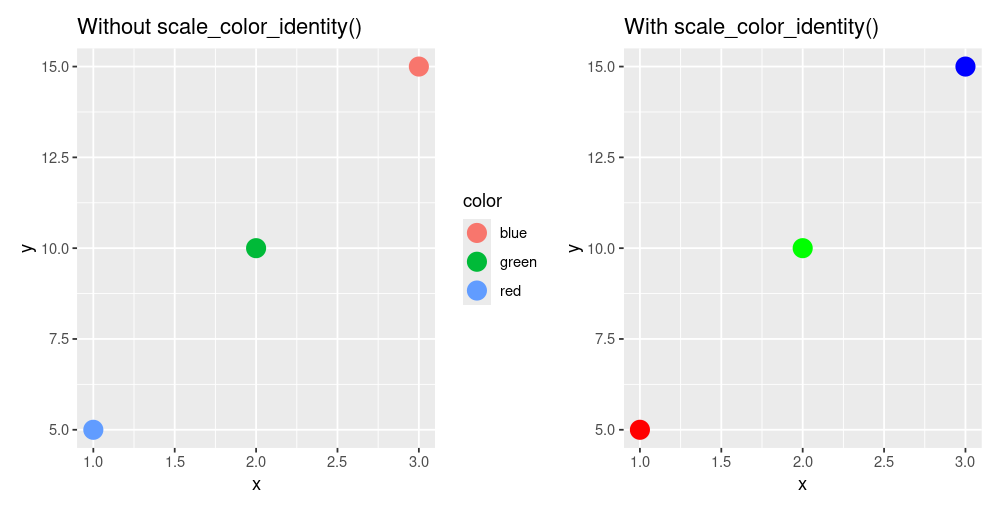
| 19:37, 11 January 2025 | Scale color identity.png (file) |  |
24 KB | 2 | |
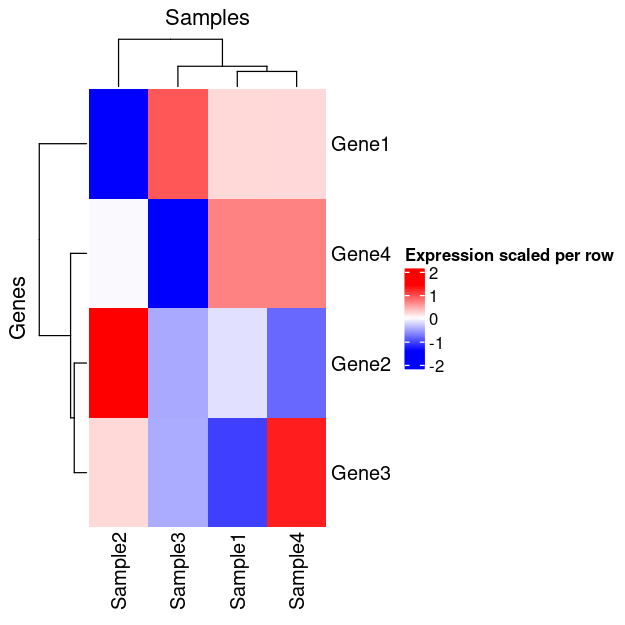
| 21:27, 26 December 2024 | Hmscaled.png (file) |  |
61 KB | 2 | |
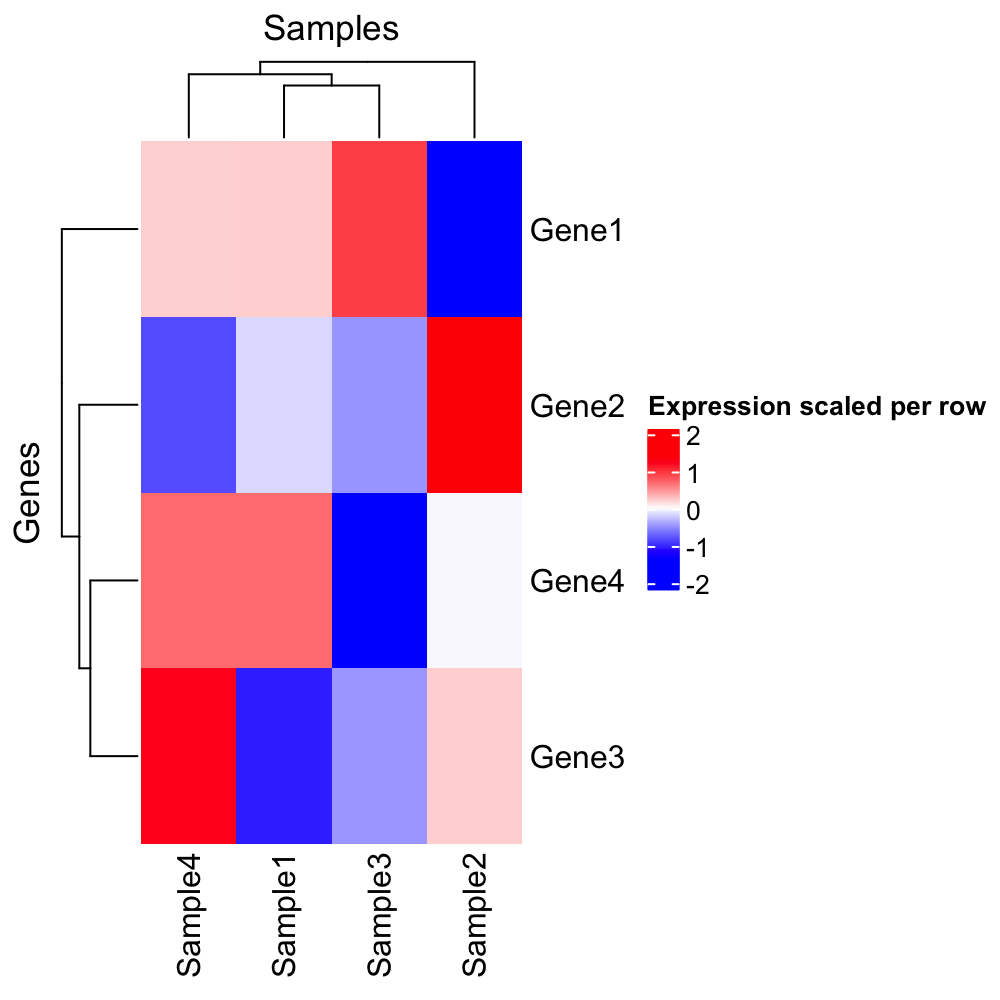
| 21:21, 26 December 2024 | Hmscaled2.png (file) |  |
21 KB | <syntaxhighlight lang='r'> x <- structure(c(16.9966943817533, 17.9931011170293, 17.5792623673341, 18.5768638712856, 15.6183559348761, 18.605802884533, 17.9288112453195, 18.4134150861349, 17.6070787425032, 17.8698729193728, 17.7444512372316, 18.092093724098, 16.9949257540877, 17.7299728705232, 18.2145767113386, 18.5766893731416), dim = c(4L, 4L), dimnames = list(c("Gene1", "Gene2", "Gene3", "Gene4"), c("Sample1", "Sample2", "Sample3","Sample4"))) scaled_x <- t(sca... | 1 |
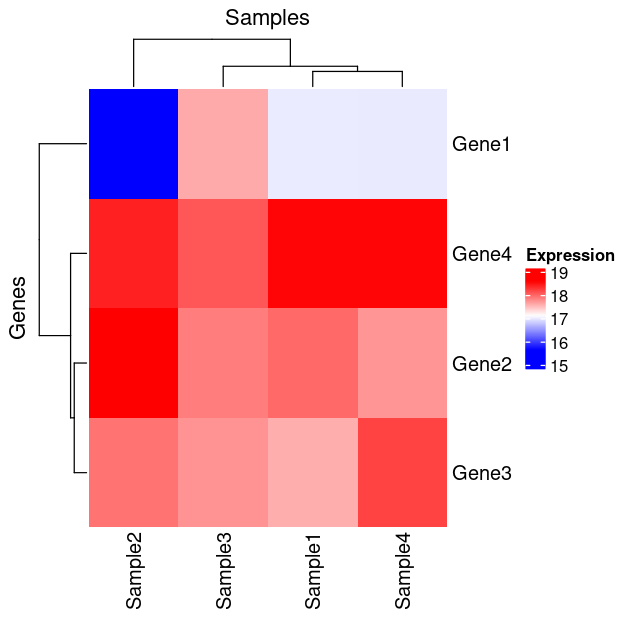
| 21:20, 26 December 2024 | Hmx2.png (file) |  |
20 KB | <syntaxhighlight lang='r'> x <- structure(c(16.9966943817533, 17.9931011170293, 17.5792623673341, 18.5768638712856, 15.6183559348761, 18.605802884533, 17.9288112453195, 18.4134150861349, 17.6070787425032, 17.8698729193728, 17.7444512372316, 18.092093724098, 16.9949257540877, 17.7299728705232, 18.2145767113386, 18.5766893731416), dim = c(4L, 4L), dimnames = list(c("Gene1", "Gene2", "Gene3", "Gene4"), c("Sample1", "Sample2", "Sample3","Sample4"))) row_hc <- hclust(... | 1 |
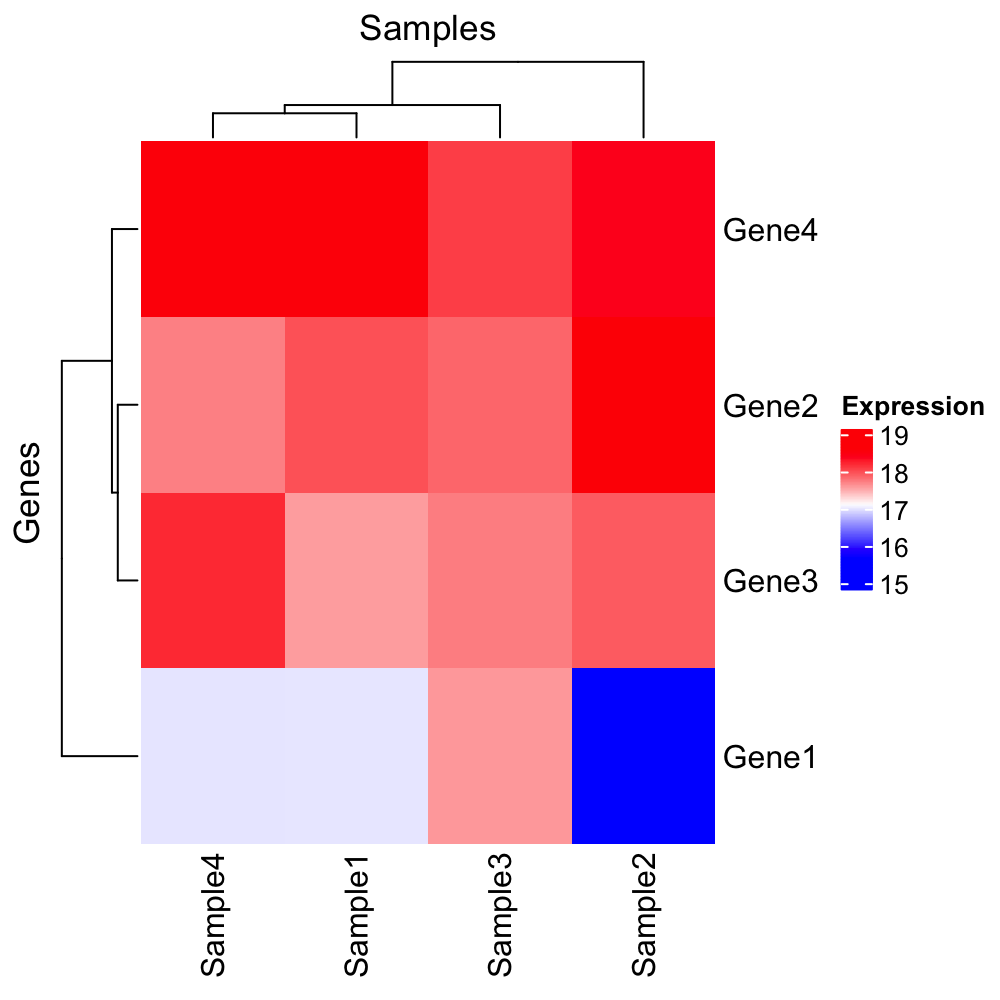
| 21:11, 26 December 2024 | Statsheatmap.png (file) |  |
54 KB | 2 | |
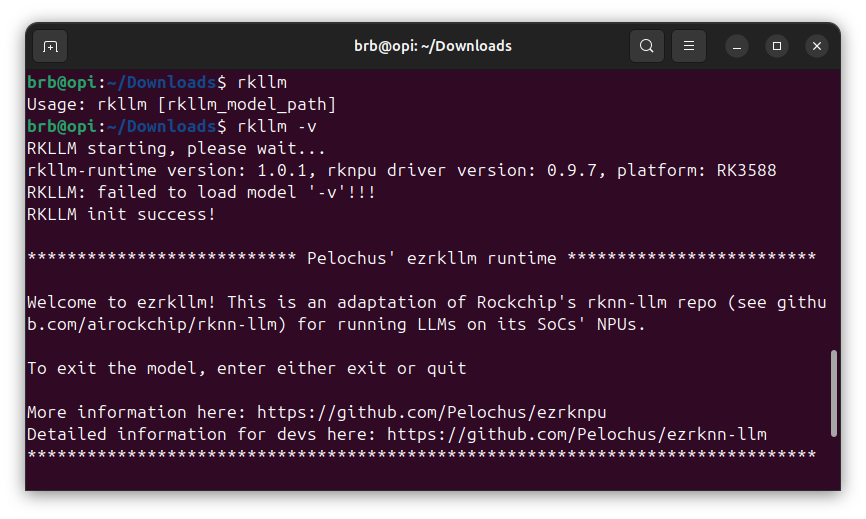
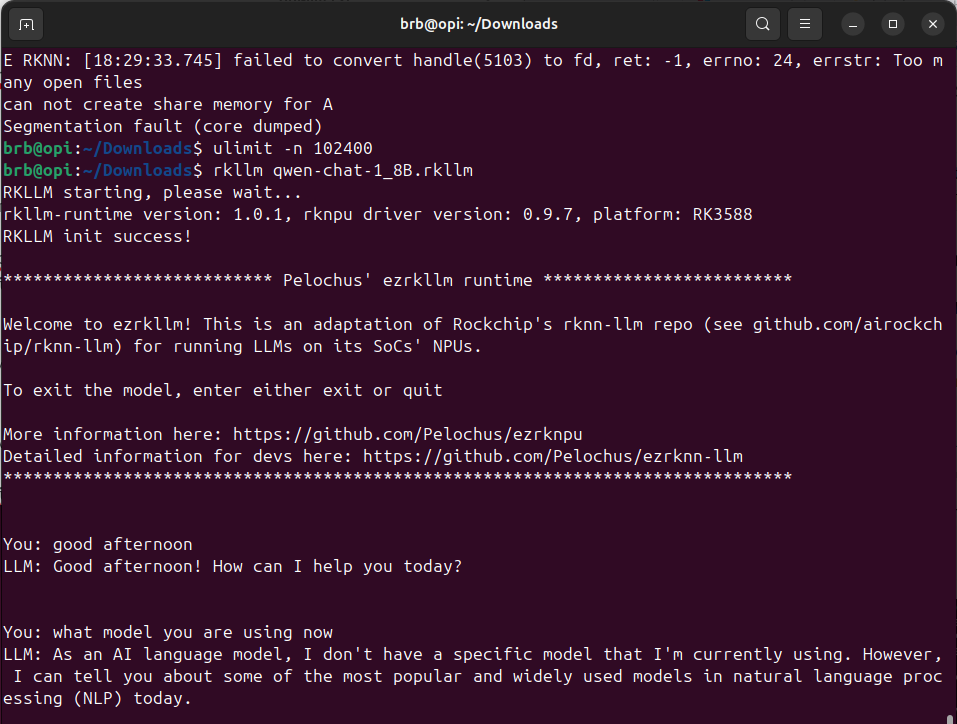
| 23:00, 25 December 2024 | Opi-llm2.png (file) |  |
70 KB | 1 | |
| 23:00, 25 December 2024 | Opi-llm.png (file) |  |
110 KB | 1 | |
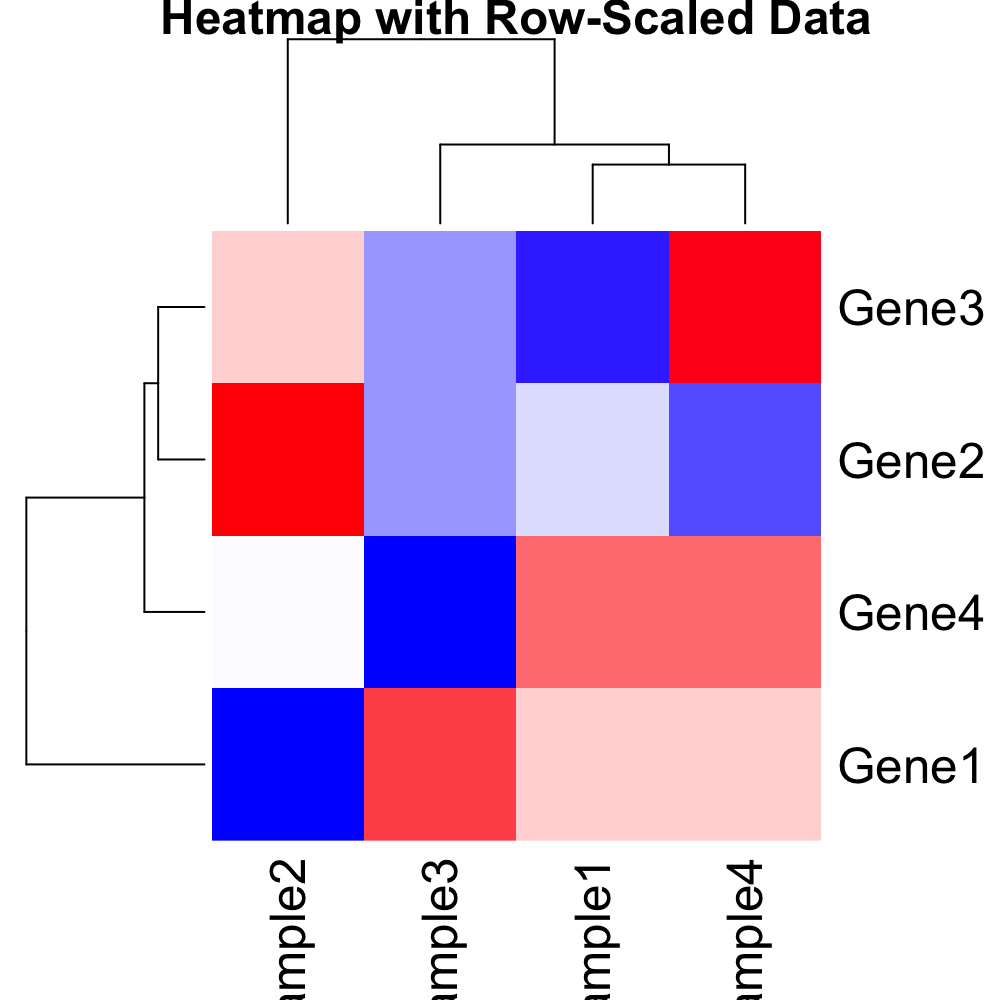
| 17:45, 23 December 2024 | Statsheatmapscaled.png (file) |  |
55 KB | 1 | |
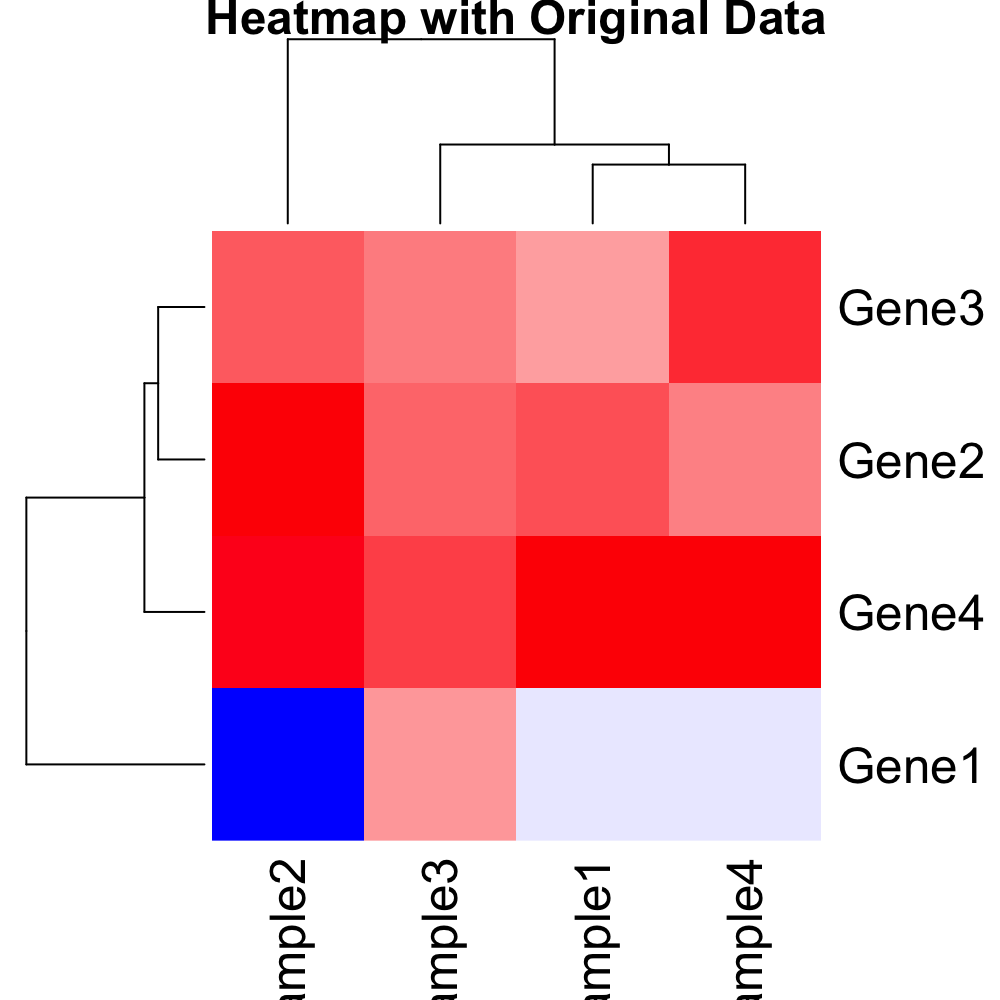
| 16:58, 23 December 2024 | Hmx.png (file) |  |
60 KB | 1 | |
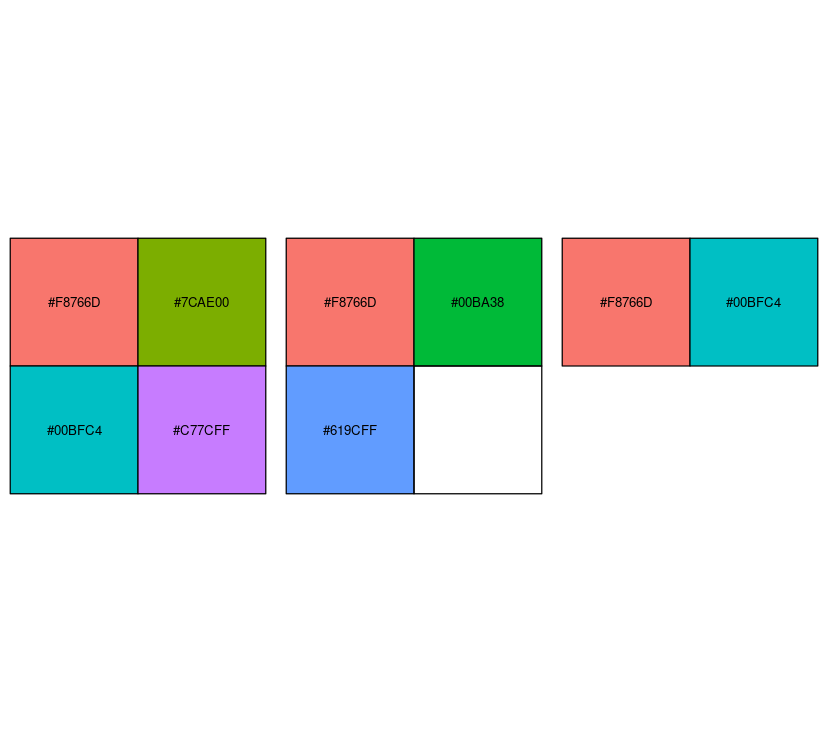
| 23:05, 21 December 2024 | Rscales2.png (file) |  |
11 KB | 1 | |
| 23:02, 21 December 2024 | Rscales.svg (file) |  |
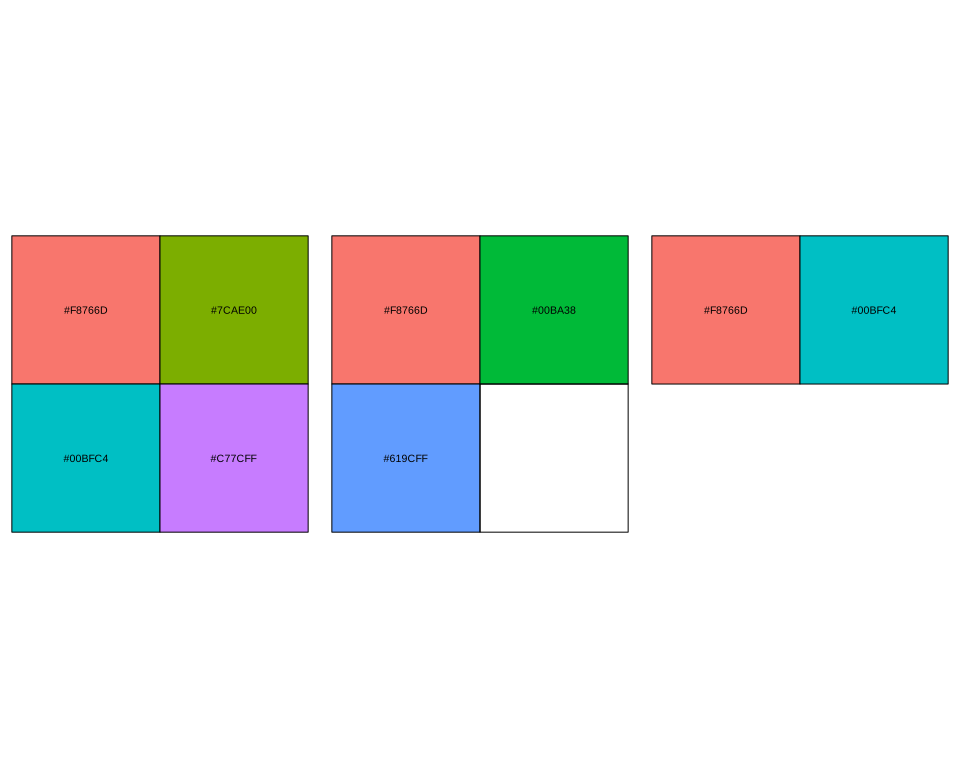
5 KB | <pre> svglite("~/Downloads/Rscales2.svg", bg = "transparent") par(mfrow = c(1, 3),mar = c(0, 4, 0, 2)) show_col(hue_pal()(4)) show_col(hue_pal()(3)) show_col(hue_pal()(2)) par(mfrow = c(1, 1)) dev.off() </pre> | 1 |
| 21:06, 24 August 2024 | R-squared.png (file) |  |
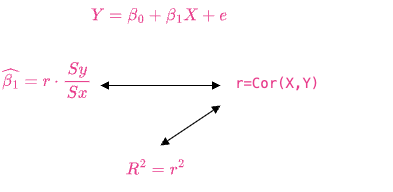
14 KB | 1 | |
| 15:54, 13 August 2024 | Geom bar reorder.png (file) |  |
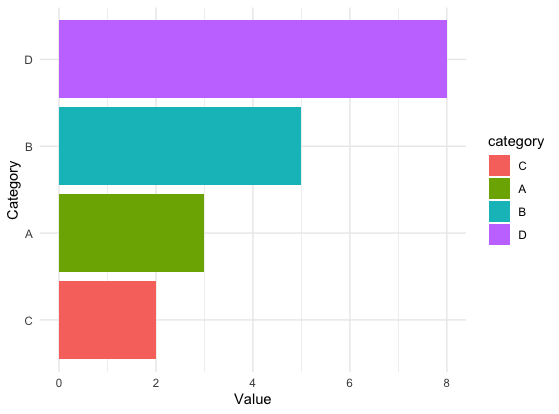
15 KB | <syntaxhighlight lang='r'> library(ggplot2) library(forcats) data <- data.frame( category = c("A", "B", "C", "D"), value = c(3, 5, 2, 8) ) data$category <- fct_reorder(data$category, data$value) levels(data$category) # [1] "C" "A" "B" "D" ggplot(data, aes(x = category, y = value, fill = category)) + geom_bar(stat = "identity") + coord_flip() + labs(x = "Category", y = "Value") + theme_minimal() </syntaxhighlight> | 1 |
| 15:47, 13 August 2024 | Geom bar simple.png (file) |  |
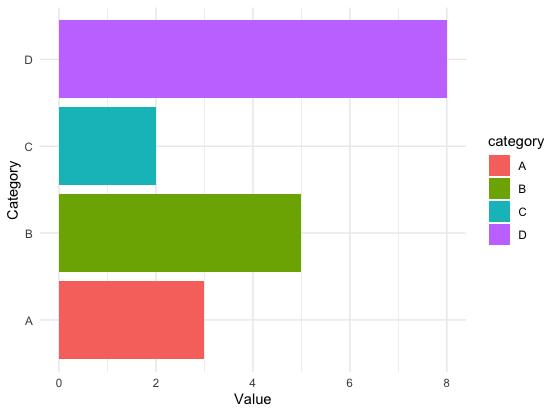
15 KB | <syntaxhighlight lang='r'> library(ggplot2) data <- data.frame( category = c("A", "B", "C", "D"), value = c(3, 5, 2, 8) ) ggplot(data, aes(x = category, y = value, fill = category)) + geom_bar(stat = "identity") + coord_flip() + labs(x = "Category", y = "Value") + # scale_fill_manual(values = c("A" = "red", "B" = "blue", "C" = "green", "D" = "purple")) theme_minimal() </syntaxhighlight> | 1 |
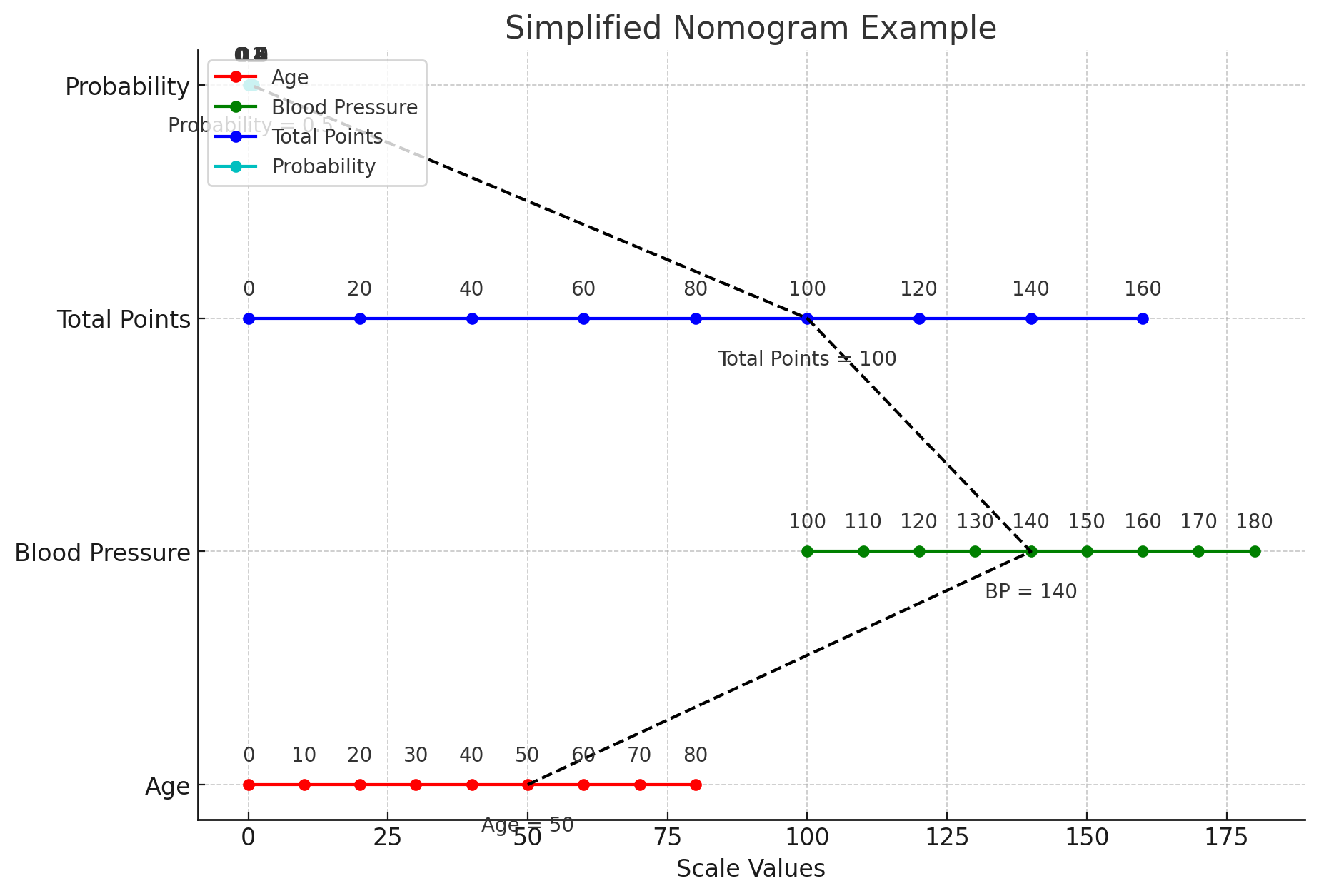
| 13:44, 12 August 2024 | Nomogram.png (file) |  |
145 KB | 1 | |
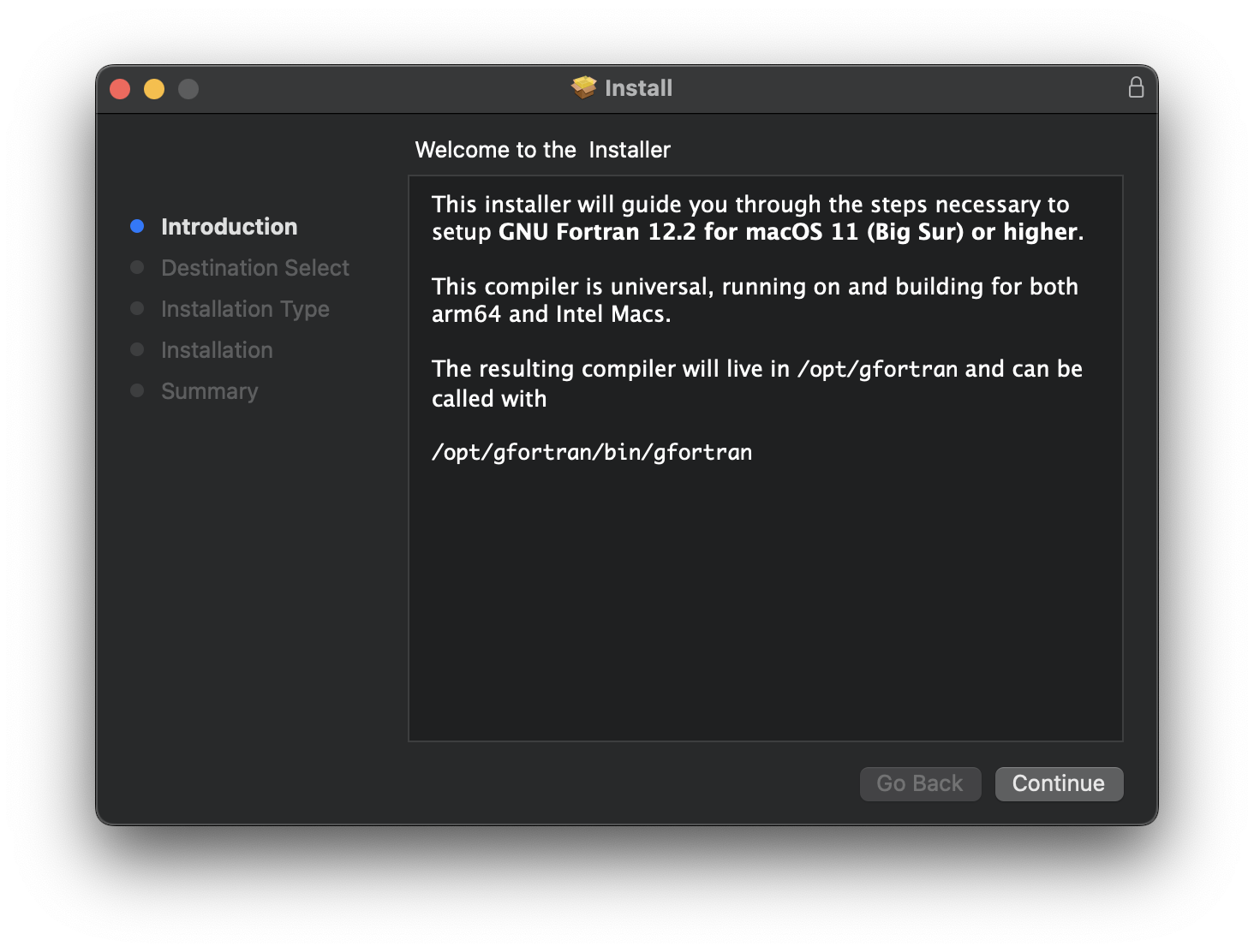
| 15:56, 15 July 2024 | GfortranMac.png (file) |  |
380 KB | 1 |